Kombucha Second Fermentation: 20 Flavor Combinations That Actually Work
Quick Guide to Second Fermentation:
- What it is: Adding flavors after primary fermentation for carbonation and taste
- Timeline: 2-7 days at room temperature in sealed bottles
- Best ratio: 10-20% fruit/juice to 80-90% kombucha
- Top 3 flavors: Ginger-lemon, berry blend, tropical mango-pineapple
- Safety tip: Burp bottles daily to prevent explosions
You’ve mastered basic kombucha brewing and your SCOBY is thriving, but every batch tastes the same – pleasantly tart but one-dimensional. Meanwhile, store-bought kombucha offers endless flavor varieties from lavender-blueberry to spicy ginger-turmeric. The secret isn’t in different SCOBYs or magic ingredients during primary fermentation – it’s the second fermentation process that transforms plain kombucha into the complex, fizzy, flavored beverages you crave.
Second fermentation is where kombucha brewing evolves from simple fermentation into creative mixology. This crucial step not only adds your desired flavors but also creates natural carbonation that rivals commercial sodas, develops more complex flavor profiles as ingredients meld together, and can boost certain beneficial properties through added herbs and spices. Many brewers abandon kombucha making because their homemade batches can’t match the excitement of store-bought varieties – not realizing they’re skipping the most creative and rewarding step.
This comprehensive guide reveals 20 tested flavor combinations organized by category, explains the science behind successful second fermentation, provides exact ratios and timing for perfect carbonation, troubleshoots common problems like flat or exploding bottles, and shows you how to create your own signature blends. Whether you prefer subtle fruit essences or bold spicy kicks, you’ll discover how to consistently produce kombucha that’s more delicious and affordable than anything from the store.
Understanding Second Fermentation
What is Second Fermentation?
Second fermentation (2F) is the process of transferring finished kombucha from primary fermentation into individual bottles with added flavorings, then allowing it to ferment an additional 2-7 days. During this stage, the residual sugars and yeast continue working in a sealed anaerobic environment, producing carbon dioxide that cannot escape – creating natural carbonation. Simultaneously, flavoring ingredients infuse the kombucha, and beneficial bacteria continue their work at a slower pace.
The sealed environment is critical. Primary fermentation occurs in a breathable container with cloth covering, allowing CO2 to escape. Second fermentation requires airtight bottles (typically flip-top or swing-top glass bottles) that trap carbonation. This pressurized environment is what gives kombucha its champagne-like effervescence.
Why Second Fermentation Matters
Many beginners skip second fermentation, drinking kombucha straight after primary fermentation. While perfectly safe and beneficial, you’re missing three major advantages. First, carbonation transforms the drinking experience – the fizz makes kombucha more refreshing, interesting, and similar to soda, making it easier to transition away from commercial beverages. Second, flavor complexity increases dramatically as fruits, herbs, and spices steep in the acidic kombucha, creating nuanced taste profiles impossible to achieve otherwise. Third, you gain infinite customization – every bottle can be a different flavor, letting you experiment without committing entire batches.
Commercial kombucha companies all use second fermentation. That’s why store-bought kombucha has consistent carbonation and diverse flavors. Home brewers who skip this step wonder why their kombucha can’t compete – they’re literally skipping half the process.
The Science of Carbonation
Carbonation in second fermentation results from continued yeast activity in a sealed environment. Yeasts consume residual sugars (from your primary fermentation and any added fruit/juice) and produce CO2 and trace alcohol. In primary fermentation, this CO2 escapes through the cloth covering. In sealed bottles, CO2 dissolves into the liquid under pressure, creating carbonic acid – the same process that makes sparkling water tingly.
Several factors affect carbonation levels: sugar content in added flavoring (more sugar = more food for yeast = more CO2), temperature during 2F (warmer = faster fermentation = more carbonation), length of 2F (longer = more carbonation, but also more alcohol), bottle seal quality (poor seals leak CO2), and yeast population from primary fermentation (more vigorous primary = more yeast available for 2F).
Essential Equipment and Setup
Bottles: Your Most Important Tool
Glass flip-top bottles (Grolsch-style) are the gold standard for second fermentation. These feature wire bails and rubber gaskets that create airtight seals while being easy to open and clean. Recommended size is 16oz (500ml) – large enough to be practical but small enough to consume in one sitting once opened. Avoid bottles larger than 32oz as the carbonation pressure can be dangerous, and smaller bottles open more frequently, losing carbonation.
Alternative options include swing-top bottles (similar to flip-tops), recycled commercial kombucha bottles (free but harder to seal properly), and mason jars with plastic airlock lids (creates mild carbonation, very safe for beginners). Never use thin glass bottles not designed for pressure, as they can explode. Never use plastic bottles long-term – kombucha’s acidity can leach chemicals, though food-grade plastic is safe for short-term experimentation.
Flavoring Ingredients
The best second fermentation ingredients provide both flavor and sugar for carbonation. Fresh or frozen fruit works excellently – berries, stone fruits, tropical fruits, citrus. Use 2-4 tablespoons per 16oz bottle, muddled or chopped. 100% fruit juice (no added sugar) provides consistent results – use 2-4 oz (20-25% of bottle volume). Fresh herbs and spices add complexity without much sugar – ginger, mint, basil, lavender, cinnamon sticks, vanilla bean.
Some ingredients work better than others. High-sugar fruits (grapes, mango, pineapple) create more carbonation. Low-sugar options (cucumber, herbs) need pairing with fruit juice to achieve good fizz. Dried fruits work but rehydrate slowly – best chopped or blended first. Concentrated flavor extracts provide intense flavor with minimal volume – use sparingly (1/4-1/2 teaspoon per bottle).
Tools and Accessories
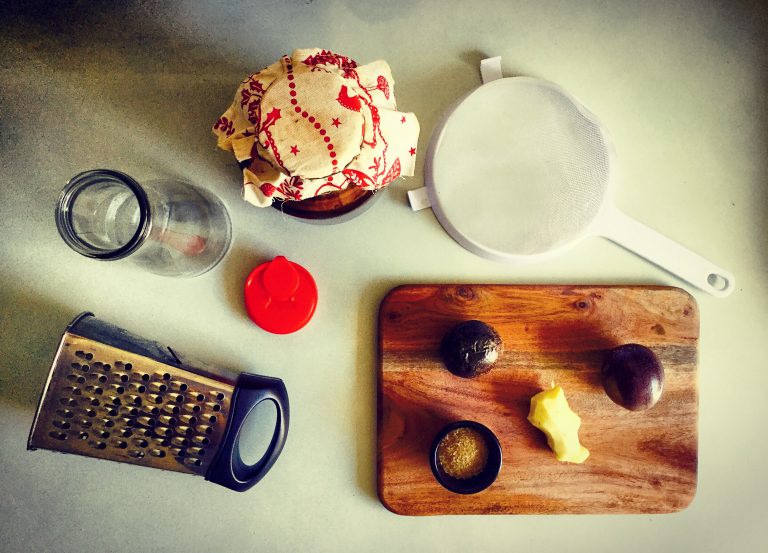
A funnel (preferably wide-mouth) makes bottle filling cleaner and faster. Muddler or fork helps release juices from fruit chunks. Fine mesh strainer removes fruit pieces when serving (optional – many people enjoy eating the fermented fruit). Bottle brush for cleaning narrow bottles. pH strips or meter to verify safety (kombucha should remain below pH 3.5). Small labels or masking tape to mark flavors and dates. And most importantly, a cool dark place for second fermentation – kitchen counter away from direct sunlight works perfectly.
The Basic Second Fermentation Process
Step-by-Step Instructions
Step 1: Complete Primary Fermentation. Taste your kombucha – it should be pleasantly tart with just a hint of sweetness remaining. If too sweet, ferment longer. If too vinegary, reduce primary fermentation time next batch. The ideal primary fermentation produces kombucha that’s slightly sweeter than you want to drink plain – that residual sugar fuels second fermentation.
Step 2: Reserve SCOBY and Starter Tea. Remove your SCOBY and set aside in 1-2 cups of finished kombucha (this becomes starter tea for your next batch). Store in a glass jar at room temperature or refrigerate if not brewing immediately.
Step 3: Add Flavorings to Bottles. Place your chosen flavoring ingredients into clean bottles. For fruit pieces, use 2-4 tablespoons per 16oz bottle, muddled to release juices. For juice, add 2-4 oz (about 1/4-1/3 of bottle capacity). For herbs/spices, add directly or use a small mesh tea ball if you want easy removal later.
Step 4: Fill Bottles with Kombucha. Using a funnel, pour finished kombucha into bottles, leaving 1-2 inches of headspace at the top. This space is crucial – too full and pressure can cause explosions, too empty and you won’t get good carbonation. Seal bottles tightly.
Step 5: Second Fermentation Period. Store sealed bottles at room temperature (68-78°F ideal) away from direct sunlight. Let ferment 2-7 days depending on desired carbonation and flavor strength. Warmer temperatures speed the process (2-3 days), cooler temperatures slow it (5-7 days).
Step 6: Burp Bottles Daily. This is the most important safety step. Once daily, carefully open each bottle over a sink to release excess pressure (you’ll hear a hiss and may see foam). This prevents explosions from over-carbonation. Quickly reseal after burping.
Step 7: Test and Taste. After 2-3 days, refrigerate one bottle as a test. Chill for a few hours, then carefully open. If it has a satisfying fizz and flavor strength you like, refrigerate all bottles to stop fermentation. If flat or flavor is too subtle, continue room temperature fermentation another 1-2 days.
Step 8: Refrigerate to Stop Fermentation. Once desired carbonation is achieved, move all bottles to refrigerator. Cold temperatures drastically slow fermentation, effectively “locking in” your carbonation and flavor. Refrigerated kombucha remains good for 2-3 months.
20 Flavor Combinations That Work
Classic Fruit Flavors (Always Reliable)
1. Strawberry-Basil Bliss
4-5 fresh strawberries (hulled and halved) + 3-4 fresh basil leaves per 16oz bottle. Muddle strawberries to release juice. The herbaceous basil beautifully balances strawberry sweetness. Second ferment 3-4 days. The flavor becomes sophisticated and complex – nothing like artificial strawberry.
2. Blueberry-Lavender Dreams
3 tablespoons fresh or frozen blueberries + 1/4 teaspoon dried culinary lavender per bottle. Lightly muddle blueberries. The floral lavender notes complement blueberry’s natural earthiness. Be cautious with lavender – too much tastes soapy. Second ferment 3-4 days. Strain before serving if desired.
3. Raspberry-Lemon Refresher
3 tablespoons raspberries + 2 lemon slices (or 1 tablespoon lemon juice) per bottle. Muddle raspberries well. The citrus brightens raspberry’s rich flavor while adding vitamin C. Excellent summer refresher. Second ferment 3-4 days. High carbonation expected from raspberry sugars.
4. Peach-Ginger Perfection
1/4 cup diced fresh peach (or 3 tablespoons frozen) + 1 teaspoon grated fresh ginger per bottle. The ginger adds warming spice to peach’s mellow sweetness. Fresh peach works best during season; frozen acceptable year-round. Second ferment 3-5 days. Absolutely delicious and widely loved.
Tropical Paradise Collection
5. Pineapple-Coconut Vacation
3 tablespoons pineapple chunks + 2 tablespoons coconut water per bottle. The tropical duo creates instant beach vibes. Pineapple provides excellent carbonation due to high sugar content. For enhanced coconut flavor, add 1/4 teaspoon coconut extract. Second ferment 2-3 days (pineapple ferments quickly).
6. Mango-Lime Sunshine
1/4 cup diced mango (fresh or frozen) + 2 lime slices per bottle. Mango’s creamy sweetness pairs perfectly with lime’s bright acidity. Creates beautiful golden color. Excellent carbonation from mango sugars. Second ferment 3-4 days. Shake before opening for best flavor distribution.
7. Passion Fruit Paradise
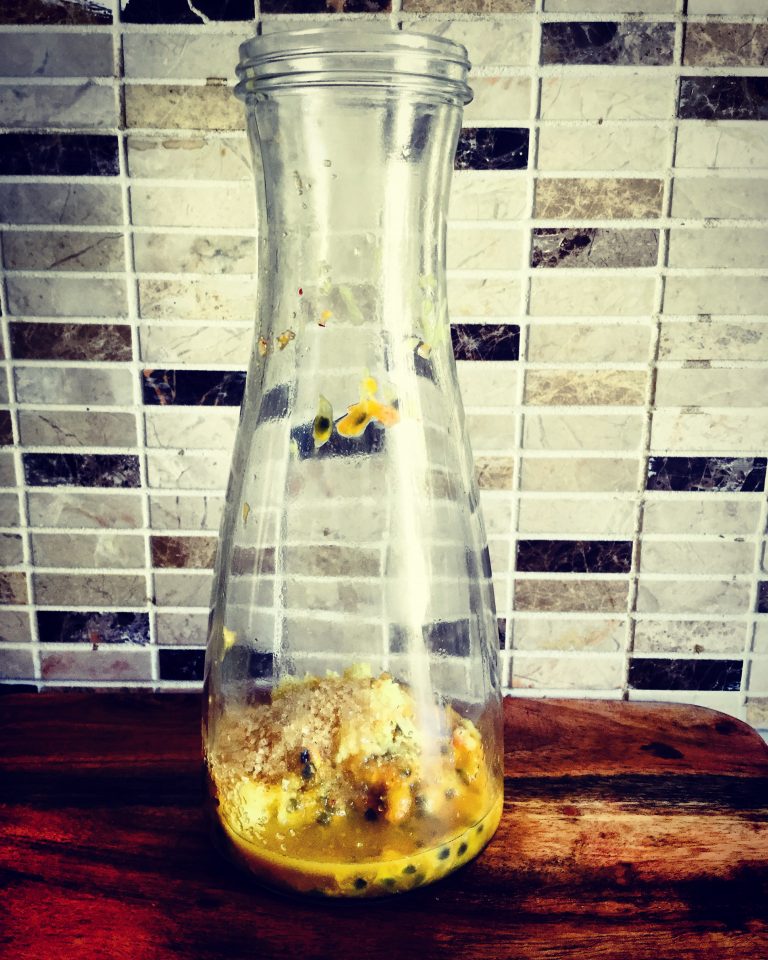
Pulp from 1-2 passion fruits per bottle (or 2 tablespoons passion fruit puree). Tart, tropical, and intensely flavored. The seeds add visual appeal and slight texture. No additional ingredients needed – passion fruit is powerful enough alone. Second ferment 3-4 days. Exotic and impressive.
Spicy and Bold Options
8. Ginger-Lemon Zing
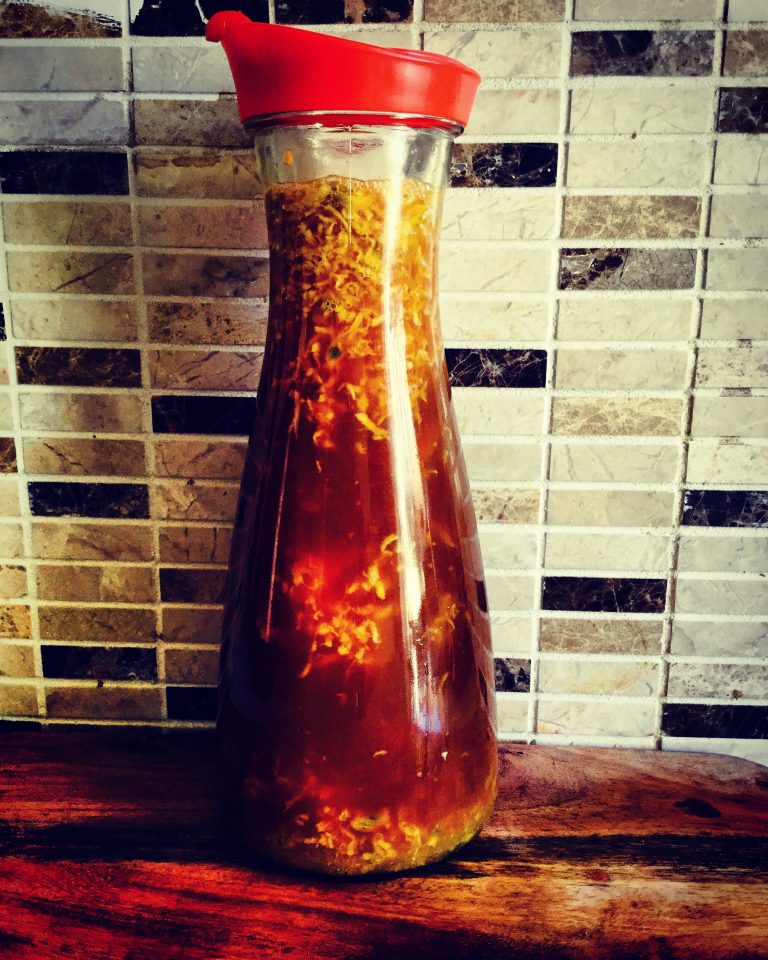
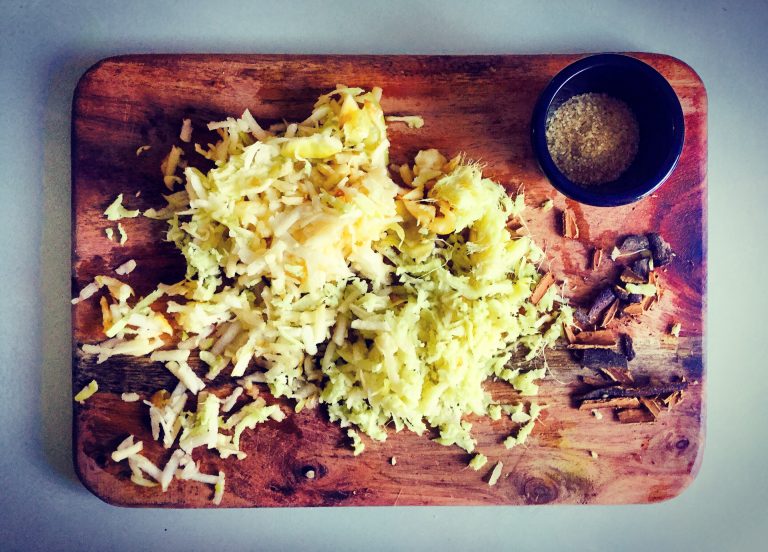
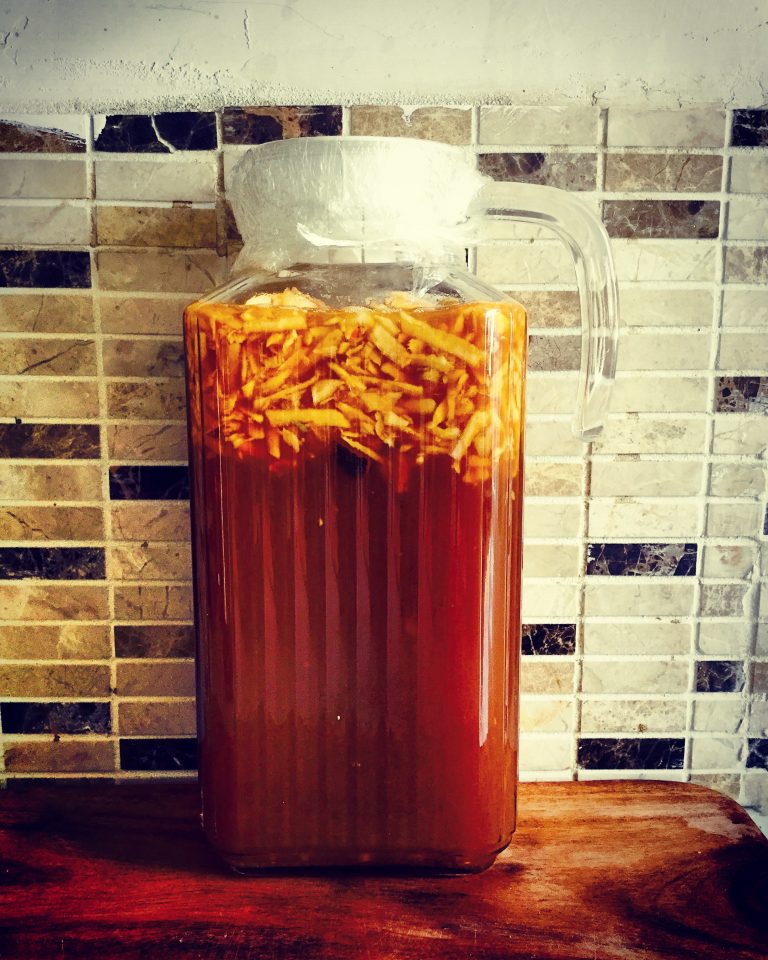
2 teaspoons grated fresh ginger + 2 lemon slices per bottle. This is the most popular homemade kombucha flavor for good reason. Ginger provides warming spice and digestive benefits, lemon adds brightness. Adjust ginger amount to heat preference. Second ferment 3-5 days. The longer it ferments, the spicier it becomes.
9. Turmeric-Orange Immunity
1 teaspoon grated fresh turmeric (or 1/2 teaspoon powder) + 1/4 cup orange juice + pinch of black pepper per bottle. The pepper enhances turmeric absorption. Creates bright orange anti-inflammatory powerhouse. Stains easily – handle carefully. Second ferment 3-4 days. Earthy with citrus brightness.
10. Cayenne-Mango Fire
3 tablespoons mango chunks + 1/8 teaspoon cayenne pepper (or to taste) per bottle. The sweet-heat combination is addictive. Start with less cayenne – you can always add more. The capsaicin creates a warm, energizing drink. Second ferment 3-4 days. Shake well before drinking.
11. Jalapeño-Pineapple Kick
3 tablespoons pineapple + 2-3 thin jalapeño slices (seeds removed for less heat) per bottle. Surprising and delicious – the pineapple sweetness balances jalapeño’s vegetal spice. Creates a “tropical hot sauce” vibe. Second ferment 2-3 days. Remove jalapeño slices before refrigerating to control heat level.
Berry Medleys
12. Triple Berry Blast
1 tablespoon each of strawberries, blueberries, and raspberries per bottle. Mixed berries create more complex flavor than single berries. Excellent carbonation from berry sugars. Beautiful deep purple color. Second ferment 3-4 days. Kid-approved flavor that’s also sophisticated enough for adults.
13. Blackberry-Sage Sophistication
3 tablespoons blackberries + 2-3 fresh sage leaves per bottle. Muddle blackberries well. The sage adds herbal complexity without overwhelming fruit. Elegant and restaurant-quality. Second ferment 3-4 days. Strain before serving for clearest presentation.
14. Cherry-Vanilla Indulgence
1/4 cup pitted cherries (fresh or frozen) + 1-inch piece vanilla bean (split) per bottle. Or use 1/4 teaspoon pure vanilla extract. The vanilla rounds out cherry’s tartness, creating almost dessert-like flavor. Dark sweet cherries work best. Second ferment 4-5 days. Luxurious and special-occasion worthy.
Herbal and Floral Creations
15. Mint-Cucumber Spa
3-4 cucumber slices + 5-6 fresh mint leaves per bottle. Refreshing and hydrating – tastes like expensive spa water. Cucumber is low-sugar, so add 1 tablespoon apple juice for better carbonation. Second ferment 4-5 days. Perfect for summer or after workouts.
16. Hibiscus-Rose Revival
1 tablespoon dried hibiscus flowers + 1/4 teaspoon culinary rose water per bottle. Steep hibiscus in 1/4 cup hot water for 5 minutes, cool, then add to bottle. The floral combination creates stunning magenta color and sophisticated taste. Second ferment 3-4 days. Beautiful for special occasions.
17. Chamomile-Apple Calm
1 chamomile tea bag + 1/4 cup apple juice per bottle. Steep tea bag in small amount of hot water, cool completely before adding to bottle. Gentle, soothing flavor with apple sweetness. Creates good carbonation from apple juice sugars. Second ferment 3-4 days. Evening-appropriate flavor.
Seasonal Specialties
18. Cranberry-Orange Holiday
3 tablespoons fresh or frozen cranberries + 2 tablespoons orange juice + 1 cinnamon stick per bottle. Muddle cranberries. Tastes like holiday celebrations. The cinnamon adds warming spice. Excellent Thanksgiving alternative to alcoholic drinks. Second ferment 4-5 days. Remove cinnamon stick before refrigerating.
19. Apple-Cinnamon Autumn
1/4 cup diced apple + 1 cinnamon stick + 2 whole cloves per bottle. Fresh apple provides natural sugars for carbonation. Creates cozy fall flavors. Remove spices after 3 days to prevent overwhelming flavor. Second ferment 4-5 days total. Tastes like liquid apple pie.
20. Watermelon-Mint Summer
1/4 cup watermelon cubes (seedless) + 4-5 mint leaves per bottle. Muddle watermelon well. Ultimate summer refresher that’s naturally hydrating. Watermelon is lower sugar, so second ferment 4-5 days for good carbonation. Light, refreshing, and crowd-pleasing.
Troubleshooting Common Problems
Flat Kombucha (No Carbonation)
If your second fermentation produces flat kombucha, several factors may be responsible. Insufficient sugar for yeast to consume – add more fruit or 1 teaspoon sugar per bottle. Temperature too cold – ferment in warmer location (72-78°F ideal). Not enough time – extend second fermentation 2-3 more days. Poor bottle seals – check gaskets are intact and bottles seal airtight. Not enough yeast from primary fermentation – ensure primary fermentation is vigorous before bottling (should have visible bubbles and SCOBY activity).
Quick fix: Add 1/4 teaspoon sugar to each flat bottle, reseal, and ferment 2-3 more days at room temperature. This usually restores carbonation.
Over-Carbonation and Bottle Explosions
This is the most dangerous problem. If bottles explode or foam violently when opened, you have over-carbonation. Causes include too much sugar from fruit/juice, fermentation temperature too warm, second fermentation too long without burping, or bottles filled too full leaving insufficient headspace.
Prevention is critical: burp bottles daily during second fermentation, refrigerate promptly when desired carbonation is reached, leave 1-2 inches headspace in bottles, and start with less fruit/juice until you learn your system. If you suspect over-carbonation, refrigerate immediately and open very carefully over sink while wearing safety glasses.
Off Flavors or Unpleasant Taste
Sometimes second fermentation creates unexpected flavors. Too vinegary means primary fermentation went too long – reduce primary fermentation by 1-2 days next time. Alcohol taste indicates excessive fermentation – reduce second fermentation time or refrigerate sooner. Flavor too subtle – use more fruit/juice or ferment longer to extract more flavor. Strange or “off” flavors suggest contamination – discard batch, sanitize all equipment, and ensure bottles are very clean.
Fruit pieces can also create compost-like flavors if left too long. Strain fruit pieces after 3-4 days if this occurs, or use juice instead of whole fruit.
Mold or Surface Growth
True mold in second fermentation is rare due to sealed environment and low pH, but possible. Fuzzy white, green, or black growth on liquid surface indicates contamination – discard immediately. To prevent: ensure all equipment is very clean, use finished kombucha with pH below 3.5, don’t let fruit float above liquid level (submerge or strain out), and refrigerate promptly after desired fermentation.
White film (kahm yeast) is harmless but unappetizing. It’s more common in primary fermentation but can occur in 2F. Simply skim off and the kombucha below is safe.
Creating Your Own Flavor Combinations
Flavor Pairing Principles
The best flavor combinations follow basic pairing principles. Balance sweet with tart – if using very sweet fruit (grapes, mango), add citrus for brightness. Pair bold with subtle – strong flavors like ginger pair with neutral fruits like apple or pear. Use herbs to add complexity – mint, basil, lavender, rosemary elevate simple fruit flavors. Consider seasonal availability – use what’s fresh and in season for best flavor and value.
Start with classic pairings that work in other contexts: berries + cream (add vanilla), citrus + ginger, stone fruits + herbs (peach-basil, plum-thyme), tropical fruits together (mango-pineapple-coconut), and apples + warming spices (cinnamon, cloves, cardamom).
Experimentation Guidelines
When creating new flavors, bottle most of your batch with tested recipes and reserve 1-2 bottles for experiments. This ensures you don’t waste entire batches on failed experiments. Start with smaller amounts of strong ingredients (spices, herbs, extracts) – you can always add more next time. Keep detailed notes of what you added, how much, fermentation time, temperature, and results. This lets you replicate successes and avoid repeating failures.
Don’t be afraid of unusual combinations. Some of the best flavors seem strange on paper but work beautifully: beet-ginger, carrot-orange-turmeric, fennel-apple, tomato-basil (savory kombucha!), and cucumber-jalapeño.
Adjusting Ratios
The 10-20% flavoring to 80-90% kombucha ratio is a guideline, not a rule. For subtle flavors (cucumber, herbs), use closer to 20-25% fruit juice to achieve flavor. For intense flavors (ginger, citrus, passion fruit), 10% or less may be sufficient. High-sugar fruits create more carbonation – reduce amount if getting excessive fizz. Personal preference matters most – some people love subtle hints, others want bold flavors.
Frequently Asked Questions
How long does second fermentation take?
Typically 2-7 days at room temperature (68-78°F). Warmer temperatures speed fermentation (2-3 days), cooler temperatures slow it (5-7 days). Test after 2-3 days by refrigerating one bottle and checking carbonation. When you achieve desired fizz and flavor, refrigerate all bottles to stop fermentation.
Can I skip second fermentation?
Yes, kombucha is perfectly safe and beneficial to drink immediately after primary fermentation. However, you’ll miss the carbonation, diverse flavors, and ability to customize individual bottles. Think of second fermentation as the difference between plain yogurt and flavored yogurt – both are good, but flavored offers more variety.
Do I need to strain out fruit pieces?
No, fruit pieces are safe to consume and many people enjoy eating the fermented fruit. However, straining creates clearer kombucha and prevents “bits” in your drink. Strain when pouring into glass, or remove fruit pieces after 3-4 days of fermentation by opening bottle, straining contents into pitcher, then refilling bottle and refrigerating.
Can bottles really explode?
Yes, over-carbonated bottles can explode, especially if using thin glass not designed for pressure. This is rare if you follow proper procedures (daily burping, appropriate fermentation time, correct headspace, refrigerating when ready). Use proper flip-top bottles designed for carbonated beverages. Never use standard mason jars with metal lids for second fermentation – pressure can cause explosions.
Can I use frozen fruit?
Absolutely! Frozen fruit works excellently for second fermentation. In fact, the freezing process breaks down cell walls, releasing more juice and flavor. Frozen fruit is available year-round, pre-washed, and often more affordable than fresh. No need to thaw – add frozen directly to bottles. Expect the same fermentation time as fresh fruit.
Why does my kombucha taste like alcohol?
All kombucha contains trace alcohol (typically 0.5-1%) from yeast fermentation. Excessive alcohol taste indicates over-fermentation – the yeast population has grown too large or fermentation continued too long. To reduce: shorten second fermentation time, refrigerate sooner, use less fruit/sugar, or ferment at cooler temperatures. Homemade kombucha may have slightly higher alcohol content than commercial varieties (which are controlled to stay under 0.5% for non-alcoholic classification).
Storage and Shelf Life
Refrigerated Storage
Once second fermentation is complete and bottles are refrigerated, kombucha remains good for 2-3 months. Flavor may intensify over time and carbonation may gradually increase, but it remains safe due to low pH. Store bottles upright in refrigerator. Label bottles with flavor and date for easy identification.
Room Temperature Storage
Never store finished second fermentation at room temperature long-term – carbonation will continue building and bottles may explode. Only keep at room temperature during active second fermentation (2-7 days), then refrigerate. If you forget bottles at room temperature for a week or more, carefully move to refrigerator and chill before opening very slowly over sink.
Signs of Spoilage
Kombucha rarely spoils due to its acidic pH, but watch for fuzzy mold (white, green, blue, or black) – discard immediately. Foul or rotten smell (not just vinegary) indicates contamination. Slimy or unusual texture suggests unwanted bacteria. When in doubt, throw it out. Normal kombucha smells tangy, fermented, and fruity from added flavors – never foul or putrid.
Conclusion: Your Second Fermentation Journey
Second fermentation transforms simple kombucha into an exciting, customizable beverage that rivals any commercial product. The 20 flavor combinations provided give you a starting point, but the real joy comes from experimentation and discovering your personal favorites. Some batches will be extraordinary, others merely good, and occasionally one might fail – that’s the nature of fermentation and creative exploration.
The key takeaways: start with tested flavor combinations until you understand the process, burp bottles daily to prevent dangerous over-carbonation, use 10-20% flavoring to 80-90% kombucha as your baseline ratio, ferment 2-7 days depending on temperature and desired results, and refrigerate promptly when carbonation and flavor reach your preference. Most importantly, keep detailed notes so you can replicate successful batches.
Second fermentation is where kombucha brewing becomes art and science combined. With these techniques and recipes, you’ll produce kombucha that’s more delicious, creative, and affordable than anything available commercially. Your friends will beg for bottles, and you’ll never want store-bought kombucha again. Start with the classic ginger-lemon combination, then explore bolder options as your confidence grows. Happy brewing, and enjoy your fizzy, flavorful creations!