Smoothie Bowl

How to Make Kombucha Tea at Home: Complete Brewing Guide + Health Benefits

If you’ve been buying expensive kombucha bottles at the store and wondering if you could make this fizzy, probiotic-rich drink at home, you’re in the right place. Kombucha brewing is easier than you might think, and once you get started, you’ll have an endless supply of this tangy, effervescent beverage for pennies per bottle.

Whether you’re a complete beginner curious about fermentation or an experienced home brewer looking to expand your skills, this comprehensive guide will walk you through everything you need to know about brewing kombucha successfully at home.

What is Kombucha Tea and Why is Everyone Drinking It?

Kombucha is a fermented tea beverage that’s been consumed for over 2,000 years, originating in Northeast China and spreading throughout Russia, Eastern Europe, and eventually the entire world. This slightly sweet, tangy, and effervescent drink is created through the fermentation of sweetened tea using a symbiotic culture of bacteria and yeast—commonly called a SCOBY.

The magic happens when the SCOBY consumes the sugar in your sweetened tea, producing organic acids, enzymes, probiotics, and natural carbonation. The result is a unique beverage that’s part functional health drink, part artisan craft beverage, and entirely delicious.

Understanding the SCOBY: Your Fermentation Partner

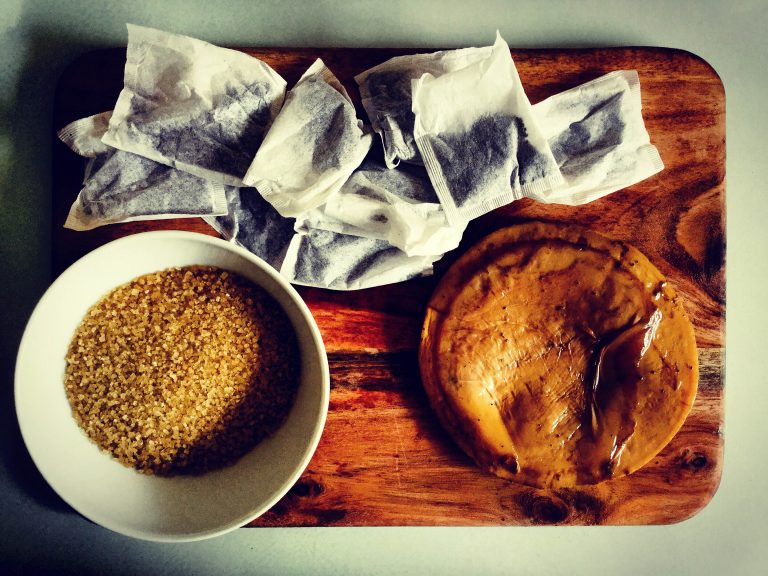
SCOBY stands for Symbiotic Culture Of Bacteria and Yeast. This rubbery, pancake-like disc (often affectionately called the “mother” or “mushroom,” though it’s not actually a mushroom) is the living engine of kombucha fermentation. The SCOBY contains multiple strains of beneficial bacteria (primarily acetobacter) and yeast that work together to transform sweet tea into kombucha.

As fermentation progresses, the SCOBY consumes sugar and produces beneficial organic acids like acetic acid, gluconic acid, and glucuronic acid. These acids give kombucha its characteristic tang while creating an environment that prevents harmful bacteria from growing. Meanwhile, the yeast produces natural carbonation, creating that signature fizz.

The SCOBY also reproduces with each batch, growing a new layer (often called a “baby SCOBY”) that you can use to start additional batches, share with friends, or compost if you have more than you need.

How Kombucha Differs from Other Fermented Drinks

Unlike wine or beer, which rely primarily on yeast fermentation, kombucha involves both bacterial and yeast fermentation working in harmony. Unlike kefir or yogurt, which ferment dairy or water, kombucha ferments tea—offering unique plant compounds like polyphenols and antioxidants alongside probiotics.

The fermentation process is also notably different from vinegar production. While both use acetobacter bacteria, kombucha maintains a balance between bacteria and yeast that creates a drinkable beverage rather than a condiment.

The Science-Backed Health Benefits of Kombucha

Kombucha’s popularity isn’t just about taste—it’s about the impressive array of potential health benefits supported by emerging research. While more studies are needed, current evidence suggests kombucha offers several compelling advantages.

Gut Health and Probiotic Support

Kombucha is rich in probiotics—beneficial bacteria that support digestive health and overall wellness. Research published in the Journal of Medicinal Food indicates that kombucha contains various probiotic species including lactobacillus, acetobacter, and gluconacetobacter that can help balance your gut microbiome.

These living microorganisms help maintain healthy digestion, support regular bowel movements, and may reduce symptoms of digestive discomfort. Unlike many probiotic supplements that struggle to survive stomach acid, the organic acids in kombucha help protect beneficial bacteria during their journey through your digestive system.

Powerful Antioxidant Properties

Tea—whether black, green, or oolong—is naturally rich in polyphenols and antioxidants. The fermentation process doesn’t destroy these beneficial compounds; in fact, some research suggests fermentation may increase their bioavailability. Studies in Food Chemistry journal show that kombucha made from green tea contains particularly high levels of antioxidants.

These antioxidants help combat oxidative stress and free radical damage in your body, potentially supporting cellular health, reducing inflammation, and protecting against chronic disease. The combination of tea polyphenols with fermentation-produced organic acids creates a uniquely powerful antioxidant beverage.

Detoxification Support

Kombucha contains glucuronic acid, a compound your liver produces naturally to help eliminate toxins. Some researchers theorize that consuming kombucha may support your body’s natural detoxification processes by providing additional glucuronic acid, though more research is needed to confirm this mechanism.

The organic acids produced during fermentation also support liver function and may help your body process and eliminate environmental toxins more efficiently.

Immune System Enhancement

With approximately 70% of your immune system located in your gut, supporting digestive health directly impacts immune function. The probiotics, organic acids, and antioxidants in kombucha work together to support a robust, balanced immune response.

Research published in Immunity journal suggests that a healthy gut microbiome—supported by probiotic-rich foods like kombucha—plays a crucial role in immune system regulation, potentially reducing the frequency and severity of common illnesses.

Blood Sugar Management

Animal studies published in BMC Complementary Medicine and Therapies suggest that kombucha, particularly when made with green tea, may help regulate blood sugar levels. While human studies are limited, preliminary research indicates that the polyphenols and organic acids in kombucha might improve insulin sensitivity and support healthy glucose metabolism.

It’s important to note that kombucha does contain residual sugar (though much less than the initial sweetened tea), so individuals with diabetes should monitor their response and consume in moderation.

Heart Health Support

Some research indicates that kombucha may support cardiovascular health by helping maintain healthy cholesterol levels. Studies in rats have shown that kombucha consumption reduced LDL cholesterol and increased HDL cholesterol, though human studies are needed to confirm these effects.

The polyphenols from tea, combined with fermentation-produced organic acids, may work synergistically to support heart health through multiple pathways including reduced oxidation of LDL cholesterol and improved blood vessel function.

Essential Ingredients and Equipment for Brewing Kombucha

Brewing kombucha requires specific ingredients and equipment, but nothing exotic or expensive. Here’s everything you need to get started with your first batch.

Ingredients for Your First Batch

SCOBY with starter liquid (1 cup): You’ll need a healthy SCOBY along with at least 1 cup of mature kombucha (starter liquid) from a previous batch. You can obtain these from a friend who brews kombucha, purchase online from reputable suppliers, or buy a commercial kombucha starter kit. The starter liquid is crucial—it lowers the pH immediately, protecting your brew from contamination.

Filtered water (7 cups for 1-gallon batch): Chlorine and chloramine in tap water can harm your SCOBY and prevent proper fermentation. Use filtered, spring, or distilled water, or let tap water sit uncovered for 24 hours to allow chlorine to dissipate. Avoid distilled water long-term as it lacks minerals the SCOBY needs.

Organic sugar (½ to 1 cup): Plain white granulated sugar works best. Despite health-conscious instincts, don’t use honey (antibacterial properties harm fermentation), artificial sweeteners (SCOBY can’t consume them), or low-calorie alternatives. The SCOBY consumes most of the sugar during fermentation, leaving much less in the finished product.

Tea bags or loose leaf tea (4-6 bags or 2-3 tablespoons): Black tea is traditional and produces robust, classic kombucha. Green tea creates a lighter, more delicate flavor. You can also use white tea or oolong. Avoid flavored teas, earl grey (bergamot oil inhibits fermentation), or anything with oils. Organic tea is preferred to avoid pesticide residues.

Optional second fermentation ingredients: Fresh fruit, fruit juice, ginger, herbs, or spices to flavor your kombucha and increase carbonation after the initial fermentation is complete.

Equipment Checklist

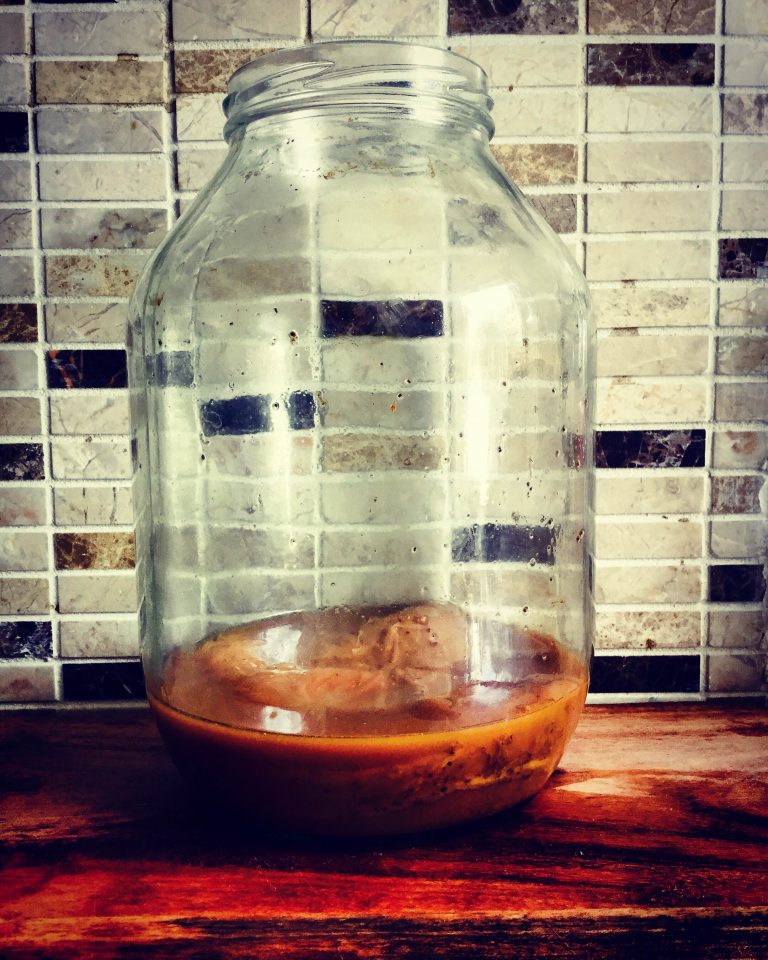
Large glass jar (1-gallon capacity): Glass is essential—never use metal, which can react with the acidic brew and leach into your kombucha. A wide-mouth jar provides better oxygen exposure during fermentation. One-gallon glass jars are perfect for beginners.

Breathable cover: Tightly woven cloth (like flour sack towels), coffee filters, or paper towels secured with a rubber band. This allows oxygen in (necessary for fermentation) while keeping out dust, fruit flies, and contaminants. Never use cheesecloth alone—the weave is too open and fruit flies can penetrate.

Large pot (at least 2-quart capacity): For heating water and brewing your sweet tea base.

Long-handled spoon (wooden or plastic): For stirring. Avoid metal utensils that could damage your SCOBY or react with acids.

Bottles for second fermentation (optional): Flip-top (Grolsch-style) bottles or screw-cap bottles designed to hold pressure. These are essential if you want carbonated kombucha. Never use twist-off beer bottles—they can’t handle fermentation pressure and may explode.

Small funnel: Makes bottling easier and reduces spills.

pH strips or pH meter (optional but recommended): Helps you verify your kombucha has reached safe acidity levels (pH 2.5-3.5).

Step-by-Step Guide: Brewing Your First Batch of Kombucha

Follow these detailed instructions to create your first gallon of homemade kombucha. This process is called “first fermentation” or “primary fermentation.”

Step 1: Brew Your Sweet Tea Base

Bring 4 cups of filtered water to a full boil in your large pot. Remove from heat and add 4-6 tea bags (or 2-3 tablespoons loose leaf tea). Steep for 5-10 minutes—longer for black tea, shorter for green tea. Don’t over-steep or your tea may become too astringent and bitter.

Remove the tea bags or strain out loose leaves, squeezing gently to extract maximum flavor. Add ½ to 1 cup of sugar, stirring until completely dissolved. Don’t skip this step or reduce sugar dramatically—your SCOBY needs sugar to ferment properly.

Add 3 cups of cool filtered water to bring the temperature down. Your sweet tea should be at or below 85°F before adding your SCOBY. Hot tea will kill your SCOBY, so be patient and let it cool completely. You can speed cooling by placing the pot in an ice bath.

Step 2: Prepare Your Fermentation Vessel

Thoroughly clean your 1-gallon glass jar with hot, soapy water. Rinse extremely well—any soap residue can harm your SCOBY. You don’t need to sterilize the jar; kombucha’s acidity will protect against contamination once fermentation begins.

Pour your cooled sweet tea into the clean jar. Add your 1 cup of starter liquid (mature kombucha from a previous batch). This immediately lowers the pH, creating an acidic environment that protects your brew from harmful bacteria during the vulnerable early fermentation period.

Step 3: Add Your SCOBY

With clean hands (wash thoroughly but don’t use antibacterial soap, which can harm your SCOBY), gently place your SCOBY into the jar. It may float, sink, or orient sideways—all are normal. It might also take a few days to float to the surface. Don’t worry about orientation; your SCOBY will do its job regardless.

If you have multiple SCOBYs, you can use just one or stack several. More SCOBYs can speed fermentation slightly but aren’t necessary.

Step 4: Cover and Position Your Brew

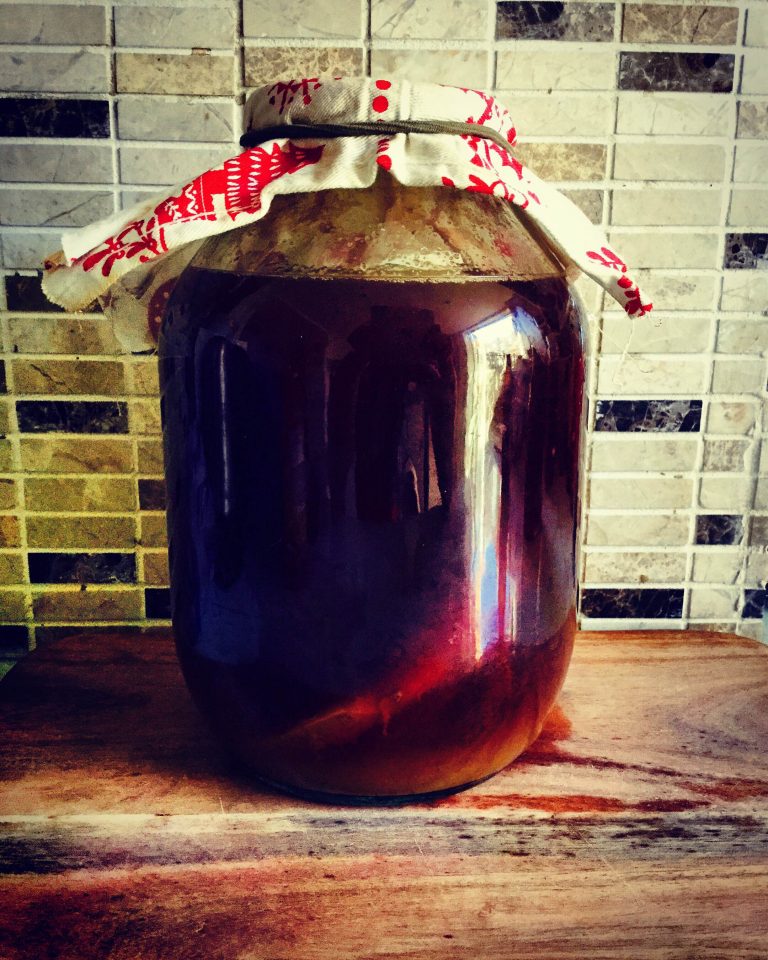
Cover the jar opening with your breathable cloth, securing it tightly with a rubber band. Make sure the cover has no gaps where fruit flies could enter—they’re attracted to fermenting kombucha and can contaminate your batch.

Place your covered jar in a location that maintains consistent temperature between 68-78°F (20-26°C). Warmer temperatures speed fermentation, while cooler temperatures slow it. Ideal spots include kitchen counters away from direct sunlight, pantry shelves, or warm corners of your home.

Keep your kombucha away from direct sunlight, which can damage the SCOBY and inhibit beneficial bacteria. Also avoid areas with strong air flow (like near air conditioning vents) or other fermentation projects (sauerkraut, sourdough, etc.) that might introduce competing microorganisms.

Step 5: Ferment and Monitor

Let your kombucha ferment undisturbed for 7-30 days. The exact time depends on temperature, your taste preference, and how active your SCOBY is. Warmer temperatures (75-78°F) produce drinkable kombucha in 7-10 days, while cooler temperatures (68-72°F) may take 14-21 days.

Here’s what to expect during fermentation:

  • Days 1-3: Not much visible activity. A thin film may begin forming on the surface.
  • Days 4-7: A new SCOBY layer forms on top. Small bubbles may appear. The sweet tea begins tasting less sweet and slightly tangy.
  • Days 8-14: The new SCOBY layer thickens. Tanginess increases noticeably. Sweetness decreases significantly.
  • Days 15-21: Strong tang develops. Very little sweetness remains. Vinegar notes may appear if fermented too long.

Start tasting after 7 days by carefully inserting a straw under the SCOBY or using a clean spoon to extract a small sample. You’re looking for a balance of sweet and tart that appeals to your palate. Some prefer sweeter, milder kombucha (7-10 days), while others love strong, vinegary kombucha (21+ days).

Step 6: Harvest Your Kombucha

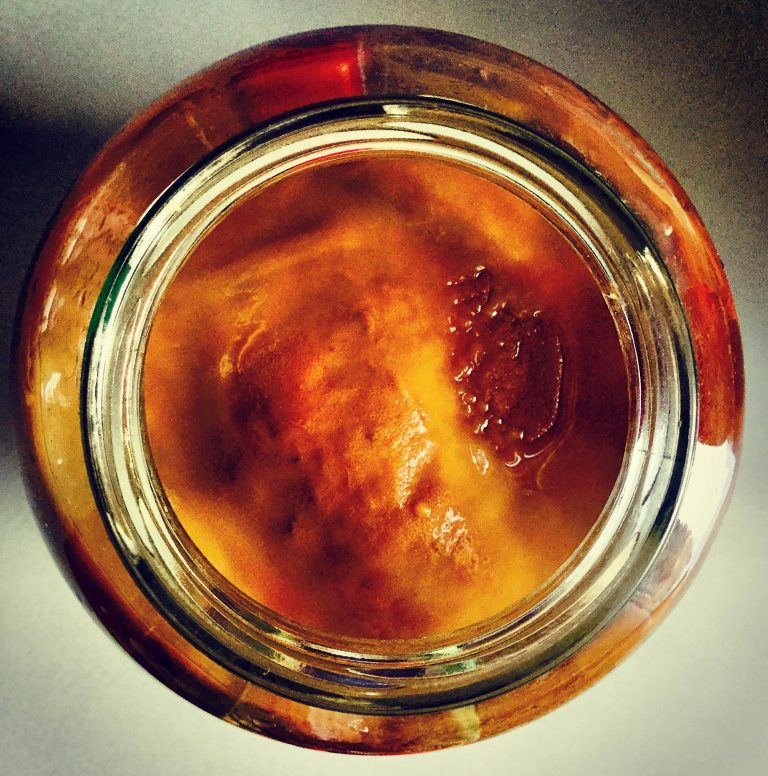
Once your kombucha reaches your desired flavor, it’s time to harvest. With clean hands, carefully remove the SCOBY and place it on a clean plate. The SCOBY will likely have grown a new layer—this is your “baby SCOBY” that formed during fermentation. You can keep both together or separate them.

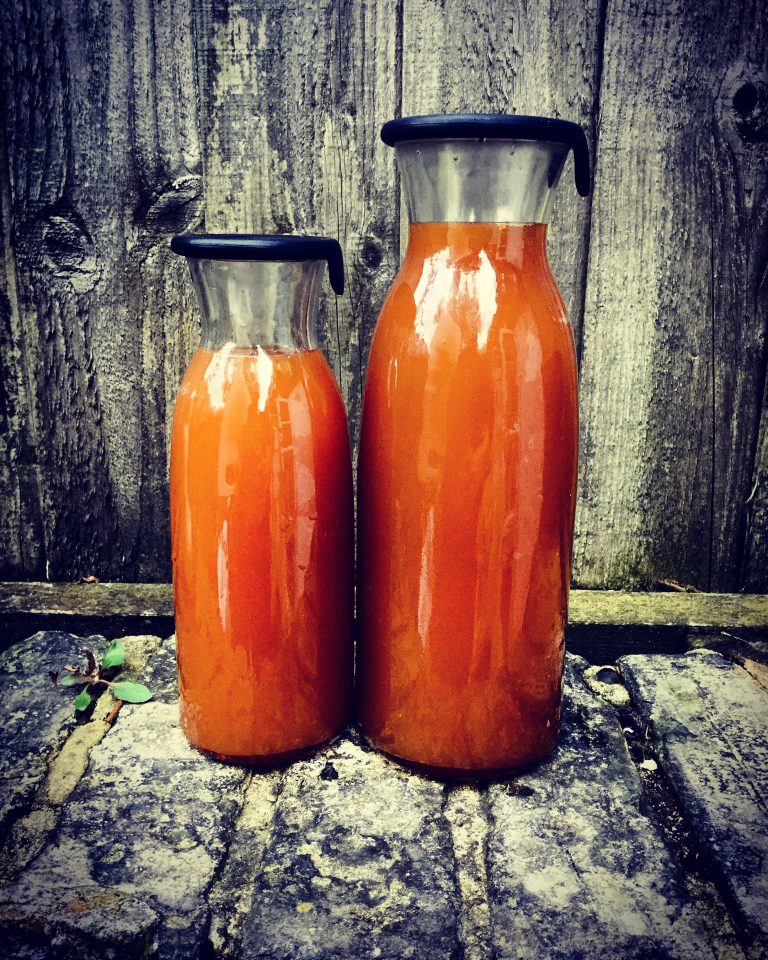
Set aside 1-2 cups of your finished kombucha as starter liquid for your next batch. This is crucial for successful continuous brewing. Pour the remaining kombucha through a fine-mesh strainer into a pitcher or directly into bottles, leaving behind any yeast sediment at the bottom if desired (though this sediment is safe and probiotic-rich).

At this point, you can drink your kombucha as-is (this is called “first fermentation” kombucha), or proceed to second fermentation for flavoring and increased carbonation.

Step 7: Second Fermentation for Flavor and Fizz (Optional)

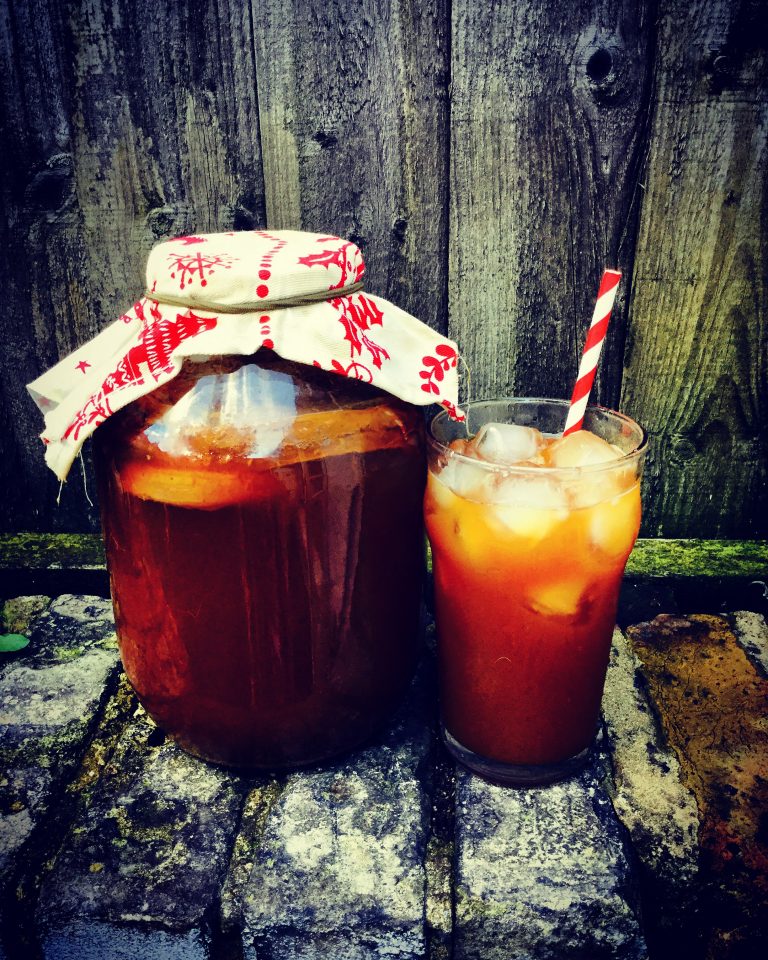
Second fermentation is where kombucha transforms from lightly fizzy to champagne-effervescent, and where you add creative flavors. Pour your harvested kombucha into bottles, leaving 1-2 inches of headspace. Add your flavorings:

  • Fruit juice: 10-20% juice by volume (2-4 tablespoons per 16 oz bottle)
  • Fresh fruit: ¼ to ½ cup chopped fruit per 16 oz bottle
  • Ginger: ½ to 1 inch fresh ginger, grated, per 16 oz bottle
  • Herbs and spices: Fresh herbs, cinnamon sticks, vanilla bean, etc.

Seal bottles tightly and leave at room temperature for 2-7 days. The remaining yeast will consume the natural sugars in your flavorings, producing additional carbonation. Check daily by carefully “burping” bottles (opening briefly to release pressure) to prevent over-carbonation and potential explosions.

When carbonation reaches your desired level, refrigerate immediately. Cold temperatures stop fermentation and preserve carbonation. Second fermentation kombucha is best consumed within 2-3 weeks for optimal flavor and fizz.

Step 8: Start Your Next Batch Immediately

The best practice is continuous brewing—starting your next batch as soon as you harvest the previous one. Your SCOBY stays healthiest when actively fermenting. Simply repeat steps 1-5 using your SCOBY and reserved starter liquid.

If you need a break from brewing, store your SCOBY in a “SCOBY hotel” (a jar with at least 1 cup of mature kombucha) in the refrigerator for up to 6 months. When ready to brew again, bring your SCOBY to room temperature and proceed as normal, though the first batch back may take longer to ferment.

Troubleshooting Common Kombucha Brewing Problems

Even experienced brewers occasionally face challenges. Here’s how to identify and solve the most common kombucha issues.

Mold Growing on Your SCOBY

Problem: Fuzzy, colored mold (green, black, white, or blue) growing on the SCOBY surface.

Solution: Unfortunately, if you have true mold, you must discard everything—the SCOBY, all liquid, and start completely fresh. Mold means harmful organisms have colonized your brew. Don’t try to save it.

Prevention: Mold usually occurs when pH isn’t acidic enough (always use adequate starter liquid), brewing temperature is too cool, or contamination occurred. Use at least 1 cup starter liquid per gallon, maintain proper temperatures, and keep everything scrupulously clean.

Important note: Brown yeast strands hanging from the SCOBY are NOT mold—they’re completely normal and healthy. True mold is fuzzy and sits on top of the SCOBY.

No Carbonation in Finished Kombucha

Problem: Your kombucha is flat with no fizz.

Solution: First fermentation kombucha is naturally only lightly carbonated. For serious fizz, you need second fermentation in sealed bottles with added sugars (fruit, juice) for yeast to consume. Ensure bottles seal tightly and ferment at room temperature for 3-7 days.

Prevention: Use flip-top bottles that seal properly. Add adequate sugar sources during second fermentation. Don’t refrigerate too early—carbonation needs time to develop at room temperature.

Kombucha Tastes Too Vinegary

Problem: Your kombucha is extremely sour and tastes like vinegar.

Solution: You’ve over-fermented. While safe to drink (kombucha vinegar is excellent for cooking!), it’s not pleasant as a beverage. Dilute with juice or sparkling water if desired.

Prevention: Taste earlier in the fermentation process. Start testing at day 7 and harvest when the sweet-tart balance appeals to you. Warmer temperatures speed fermentation, so brew may finish faster in summer.

SCOBY Sinking or Floating

Problem: Your SCOBY sank to the bottom or is floating sideways.

Solution: This is completely normal and not a problem! SCOBY orientation doesn’t affect fermentation. A new SCOBY layer will form at the liquid’s surface regardless of where the original SCOBY settles.

Prevention: None needed—this isn’t actually a problem.

Fruit Flies in Your Kombucha

Problem: Fruit flies have gotten into your fermenting kombucha.

Solution: If you see fruit flies or larvae, discard the batch and SCOBY. Fruit flies carry bacteria that can contaminate your brew.

Prevention: Use tightly woven cloth covers secured firmly with rubber bands. Never use cheesecloth alone—the weave is too open. Keep fermenting kombucha away from fruit bowls and compost bins that attract flies.

Slow or Stalled Fermentation

Problem: After 14+ days, your kombucha still tastes very sweet with minimal tang.

Solution: Check your brewing temperature—below 68°F significantly slows fermentation. Move to a warmer location. Ensure you used adequate starter liquid (1 cup minimum per gallon). Verify your SCOBY is healthy and alive.

Prevention: Maintain proper temperature (70-78°F is ideal). Use sufficient starter liquid. Don’t use old, inactive SCOBYs. Ensure your water isn’t chlorinated (chlorine kills beneficial bacteria).

Strange Colors in Your Brew

Problem: Your kombucha or SCOBY has unusual coloring.

Solution: Brown yeast strands, brown patches on the SCOBY, or cloudy brown liquid are all normal. These are yeast colonies and yeast sediment—completely safe and actually beneficial. However, green, blue, black, or pink colors indicate mold or contamination and require discarding the batch.

Prevention: Use proper starter liquid amounts and maintain correct pH. Keep everything clean but don’t use antibacterial products near your brew.

Creative Flavor Combinations for Second Fermentation

Second fermentation is where kombucha becomes truly exciting. Here are tried-and-true flavor combinations to inspire your brewing creativity.

Classic Ginger Lemon

Add 1 inch fresh grated ginger and 2 tablespoons fresh lemon juice per 16 oz bottle. This creates a spicy, refreshing kombucha that’s perfect year-round and supports digestion.

Berry Bliss

Muddle ¼ cup mixed berries (strawberries, blueberries, raspberries) per 16 oz bottle. Berries create beautiful color, natural sweetness, and excellent carbonation. This is a crowd-pleaser perfect for kombucha beginners.

Tropical Paradise

Combine 2 tablespoons pineapple juice and 1 tablespoon coconut water per 16 oz bottle. Add a small chunk of fresh pineapple for extra flavor. This creates a vacation-in-a-bottle taste.

Spiced Apple Cider

Add 3 tablespoons apple juice or cider, a cinnamon stick, and 2 whole cloves per 16 oz bottle. Perfect for fall, this creates a warming, comforting kombucha reminiscent of mulled cider.

Lavender Lemonade

Combine 2 tablespoons lemon juice with ½ teaspoon dried culinary lavender per 16 oz bottle. This creates an elegant, floral kombucha that’s surprisingly refreshing and calming.

Mango Habanero

Add ¼ cup fresh mango chunks and a tiny piece of habanero pepper (start small—a little goes a long way!) per 16 oz bottle. This creates a sweet-spicy combination that’s addictively complex.

Hibiscus Rose

Steep 1 tablespoon dried hibiscus flowers in ¼ cup hot water, cool, and add to bottle along with a pinch of dried rose petals. This creates a stunning pink kombucha with floral, tart flavors.

Green Tea Mint

Best made with green tea kombucha base, add 3-4 fresh mint leaves and 1 tablespoon honey per 16 oz bottle. Refreshing, cooling, and perfect for hot summer days.

Understanding the Kombucha Fermentation Timeline

Knowing what to expect during each phase helps you achieve perfect results and recognize when things might be going wrong.

Days 1-3: The Quiet Phase

During the first few days, you won’t see much activity. The SCOBY is adjusting to its new environment and beginning to colonize the sweet tea. A thin, translucent film may start forming on the surface—this is the beginning of your new SCOBY layer.

The tea remains quite sweet with minimal tang. If you taste it, you’ll notice it’s basically sweet tea with perhaps a slight fermented note developing.

Days 4-7: Active Fermentation Begins

This is when fermentation becomes visible. The new SCOBY layer thickens and becomes more opaque. Small bubbles may form around the SCOBY edges or rise through the liquid. Brown yeast strands may begin hanging from the SCOBY—this is completely normal.

The flavor starts shifting noticeably. Sweetness decreases while pleasant tanginess develops. By day 7, you might have perfectly balanced kombucha if your environment is warm (75-78°F).

Days 8-14: Flavor Development

The SCOBY layer continues thickening, potentially reaching ¼ to ½ inch thick. The liquid becomes increasingly tangy and complex. Sweetness continues diminishing. The balance tips from sweet-forward to tart-forward during this period.

Most brewers find their ideal flavor somewhere in this range, especially in moderate temperature environments (70-74°F). The kombucha tastes clearly fermented with balanced sweet-tart character.

Days 15-21: Strong Fermentation

If you prefer very tangy, strongly fermented kombucha, continue into this range. The tang becomes pronounced, sweetness is minimal, and vinegar notes emerge. The SCOBY may be quite thick (½ to 1 inch).

This is ideal if you plan to do heavy fruit-flavored second fermentation, as the strong base balances sweet fruit additions. It’s also excellent for making kombucha vinegar for cooking.

Beyond 21 Days: Vinegar Territory

After three weeks, you’re making kombucha vinegar rather than drinking kombucha. While perfectly safe, it’s extremely sour and not pleasant to drink straight. However, kombucha vinegar is excellent for salad dressings, marinades, or as a wellness tonic (diluted with water).

The Cultural History and Global Journey of Kombucha

Understanding kombucha’s rich history connects us to thousands of years of fermentation tradition and reveals why this beverage has captured imaginations across cultures.

Ancient Origins in China

Kombucha’s documented history begins over 2,000 years ago in Northeast China during the Qin Dynasty (around 220 BCE). Known as “The Tea of Immortality,” kombucha was prized by emperors for its supposed life-extending and health-promoting properties.

Chinese traditional medicine practitioners prescribed kombucha for digestive issues, energy enhancement, and overall vitality. The drink spread along the Silk Road, carried by traders and travelers to neighboring regions.

Russian and Eastern European Tradition

Kombucha became deeply embedded in Russian and Eastern European culture, where it’s known as “tea kvass” or simply “kvass.” Families passed down SCOBYs through generations, with each household maintaining its own unique culture and fermentation traditions.

In these regions, kombucha was a daily beverage consumed for health maintenance, particularly to support digestion and immune function during long, harsh winters when fresh produce was scarce. The tradition of home fermentation ensured year-round access to probiotic-rich foods.

German Health Movement

In the early 20th century, kombucha gained popularity in Germany among health-conscious communities. German researchers studied its properties, and it became a staple in natural health stores and sanitariums. This period produced much of the early scientific literature on kombucha’s potential benefits.

Modern Western Resurgence

Kombucha nearly disappeared from Western awareness during the World Wars due to sugar rationing. It experienced a revival in the 1990s when home brewers and health food enthusiasts rediscovered it. By the 2000s, commercial kombucha production exploded in the United States, transforming from obscure health food to mainstream beverage.

Today, the global kombucha market is valued at billions of dollars, with countless brands offering creative flavors and styles. Yet the tradition of home brewing remains strong, connecting modern brewers to thousands of years of fermentation heritage.

Frequently Asked Questions About Kombucha

Is kombucha alcoholic?

Kombucha does contain trace amounts of alcohol—typically 0.5-1% by volume for home-brewed kombucha, which is similar to non-alcoholic beer and below the legal threshold requiring labeling. The yeast in kombucha produces alcohol as a byproduct of fermentation, but the acetobacter bacteria convert most of it to organic acids. Second fermentation and prolonged fermentation can slightly increase alcohol content. If you’re avoiding alcohol entirely (pregnancy, recovery, religious reasons), consult your doctor before consuming kombucha.

Can I use honey instead of sugar?

It’s not recommended, especially for beginners. Honey contains natural antimicrobial compounds that can harm your SCOBY and prevent proper fermentation. If you want to try honey kombucha (called “Jun”), you need a specialized Jun SCOBY that’s adapted to fermenting honey and green tea. Regular kombucha SCOBYs work best with plain white sugar, which provides clean, accessible food for the culture.

How much kombucha should I drink daily?

Start with 4-8 ounces daily and gradually increase if desired. Most people comfortably consume 8-16 ounces per day. If you’re new to fermented foods, begin with small amounts (2-4 ounces) to allow your digestive system to adjust. Some people experience temporary digestive changes when first adding kombucha to their diet. Listen to your body and adjust accordingly. There’s no official upper limit, but moderation is generally wise.

Is it safe to drink kombucha during pregnancy?

This is a personal decision best made with your healthcare provider. Concerns include the trace alcohol content, potential for contamination if improperly brewed, and lack of pasteurization (kombucha is a living, raw food). Some doctors approve kombucha consumption during pregnancy if it’s commercial and properly produced, while others recommend avoiding it entirely. Always consult your obstetrician or midwife before consuming kombucha while pregnant or nursing.

Why does my SCOBY look weird?

SCOBYs can look quite strange and still be perfectly healthy! Brown stringy bits (yeast), uneven thickness, holes, bumps, and varied coloring (cream, brown, or tan) are all normal. Each SCOBY is unique. The only concerning appearance is fuzzy, colored mold (green, black, blue, or pink), which requires discarding the batch. If your SCOBY is smooth, rubbery, and free of fuzzy mold, it’s healthy regardless of how odd it might look.

Can I share or buy SCOBYs online?

Yes! SCOBYs are commonly shared among brewing communities—check local fermentation groups, brewing supply stores, or online marketplaces. When obtaining a SCOBY online, ensure it comes with at least 1 cup of starter liquid and arrives fresh (not dried). Reputable suppliers ship SCOBYs in adequate starter liquid with clear brewing instructions. You can also grow your own SCOBY from a bottle of raw, unpasteurized commercial kombucha, though this takes 2-4 weeks.

What should I do with extra SCOBYs?

SCOBYs multiply with each batch, and you’ll quickly accumulate extras. Options include: giving them to friends who want to start brewing, composting them (they’re excellent compost material), creating a “SCOBY hotel” (large jar where you store backups in kombucha), making SCOBY dog treats (yes, really!), using them as face masks (some people swear by this), or simply discarding them. You only need 1-2 SCOBYs per jar, so don’t feel obligated to keep them all.

How do I know if my kombucha has gone bad?

Trust your senses. Signs of contamination include fuzzy, colored mold on the SCOBY or liquid surface, truly rotten or foul smells (beyond normal vinegary fermentation odors), or unexpected colors like bright pink or green. Properly fermented kombucha smells tangy, vinegary, and slightly yeasty—not rotten. If you have any doubt about safety, discard the batch. The acidic nature of properly fermented kombucha (pH 2.5-3.5) prevents harmful bacteria growth, making contamination relatively rare if proper techniques are followed.

Taking Your Kombucha Brewing Further

Once you’ve mastered basic brewing, expand your skills with these advanced techniques and experiments.

Continuous Brew Method

Instead of batch brewing, try continuous brewing using a large vessel (2-5 gallons) with a spigot at the bottom. Harvest kombucha as needed from the spigot, then refill with fresh sweet tea. This maintains constant fermentation, develops more complex flavors, and eliminates downtime between batches. The SCOBY becomes very thick and robust with continuous brewing.

Experimenting with Tea Varieties

Once comfortable with black or green tea, experiment with white tea (delicate, subtle), oolong tea (balanced, complex), or blends. Some brewers even try herbal teas blended with true tea (at least 25% black or green tea to feed the SCOBY). Each tea type produces unique flavor profiles and slightly different fermentation characteristics.

Creating Your Own Signature Flavors

Develop unique second fermentation recipes by combining multiple fruits, experimenting with unusual spices, or incorporating vegetables (beets create stunning color and earthy sweetness). Document your experiments, noting ingredient amounts and fermentation times to replicate successful combinations.

Kombucha Cocktails and Mocktails

Use kombucha as a mixer for creative cocktails or sophisticated mocktails. The natural carbonation and complex flavor make it an excellent base for drinks. Try kombucha mojitos, kombucha margaritas, or kombucha spritzers with fresh herbs and fruit.

Cooking with Kombucha

Incorporate kombucha into cooking—use it in salad dressings, marinades (the acidity tenderizes meat), cake recipes (replaces buttermilk), or smoothies. Over-fermented kombucha works excellently as cooking vinegar, offering probiotic benefits along with acidity.

Your Kombucha Brewing Journey Starts Today

Brewing kombucha at home is easier than most people imagine and offers tremendous rewards—from significant cost savings to creative control over flavors to the satisfaction of creating a living, probiotic-rich beverage with your own hands.

Remember these essential principles as you begin your kombucha adventure:

  • Start with a healthy SCOBY and adequate starter liquid (at least 1 cup per gallon)
  • Use filtered water and organic tea for best results
  • Don’t skip the sugar—your SCOBY needs it to ferment
  • Maintain proper temperature (68-78°F) in a dark location
  • Be patient—good kombucha takes time (7-21 days typically)
  • Taste frequently to find your perfect sweet-tart balance
  • Always keep at least 1 cup as starter for your next batch
  • Experiment with second fermentation for creativity and carbonation
  • Trust the process and don’t be intimidated by the SCOBY’s appearance

Your first few batches might not be perfect, and that’s completely normal. Each brew teaches you something new about fermentation, your SCOBY’s personality, and your flavor preferences. Before long, you’ll have a rhythm established, multiple flavors brewing simultaneously, and perhaps extra SCOBYs to share with curious friends.

The most rewarding aspect of home brewing isn’t just the delicious, probiotic-rich beverage—it’s the connection to an ancient tradition, the scientific wonder of fermentation, and the creative satisfaction of crafting something truly unique.

So gather your ingredients, obtain your SCOBY, and take that first step into the fascinating world of kombucha brewing. Your gut—and your taste buds—will thank you for embarking on this fermentation adventure. Welcome to the wonderful, effervescent world of home-brewed kombucha!

Share: