How to Ferment Tomatoes: Probiotic Salsa Base Recipe (Easy Method)
Quick Facts:
- Fermentation time: 2-5 days at room temperature
- Difficulty: Beginner-friendly
- Shelf life: 2-3 months refrigerated
- Best tomatoes: Roma, cherry, or any firm ripe tomatoes
- Salt ratio: 2% by weight of tomatoes
Fermented tomatoes might be the most underrated preservation method in the fermenting world. While everyone obsesses over sauerkraut and kimchi, these tangy, probiotic-packed tomatoes transform into an instant salsa base, pasta sauce starter, or umami-rich ingredient that elevates any dish. The fermentation process intensifies tomato flavor while creating the same beneficial bacteria found in expensive probiotic supplements.
Unlike canning, which requires precise temperatures and equipment, fermenting tomatoes takes about 15 minutes of hands-on time and uses nothing more than salt, tomatoes, and a jar. The lactobacillus bacteria naturally present on tomato skins do all the work, converting sugars into lactic acid and creating that distinctive tangy depth that makes fermented foods so addictive.
Why Ferment Tomatoes?
Flavor Transformation
Fresh tomatoes taste bright and acidic. Fermented tomatoes develop complex umami notes reminiscent of sun-dried tomatoes combined with the tang of a good vinegar. The fermentation process breaks down cell walls, concentrating flavors and creating new taste compounds through bacterial metabolism. Many chefs describe fermented tomatoes as “tomato flavor turned up to eleven.”
This intensified flavor means you use less to achieve more impact. A tablespoon of fermented tomato in a soup or sauce provides depth that would require a whole can of tomato paste otherwise.
Nutritional Enhancement
Fermentation increases the bioavailability of lycopene, the antioxidant that gives tomatoes their red color. Research shows that processing tomatoes (cooking, fermenting) actually makes lycopene more absorbable than raw tomatoes. You’re also adding billions of beneficial bacteria – similar strains found in yogurt and kefir – to support digestive health.
The fermentation process also produces B vitamins not present in fresh tomatoes, including B12 in small amounts (unusual for a plant food) and increased folate.
Preservation Without Equipment
Fermenting requires no canning equipment, no pressure cooker, no special skills. The salt and acidic environment created during fermentation naturally preserve tomatoes for months. This makes it perfect for handling tomato season abundance without marathon canning sessions.
Choosing the Right Tomatoes
Best Varieties for Fermenting
Roma/Plum tomatoes: The gold standard for fermented tomatoes. Their meaty texture, low moisture content, and few seeds result in a thick, paste-like ferment. They hold their shape well and produce minimal liquid.
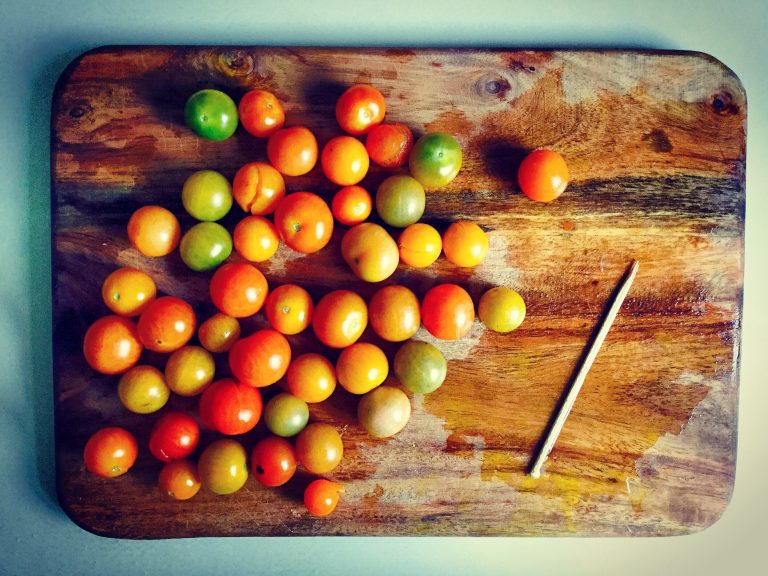
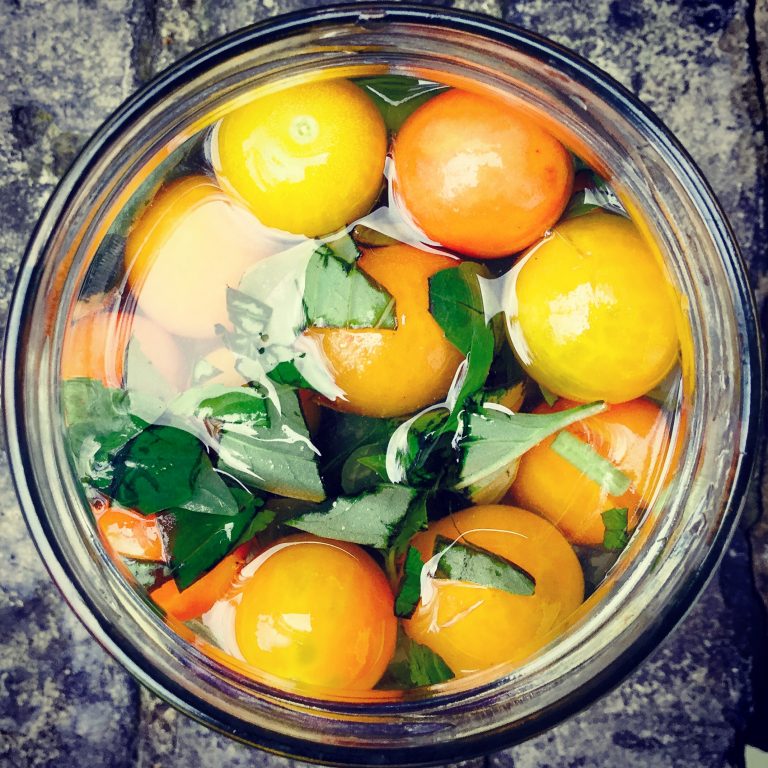
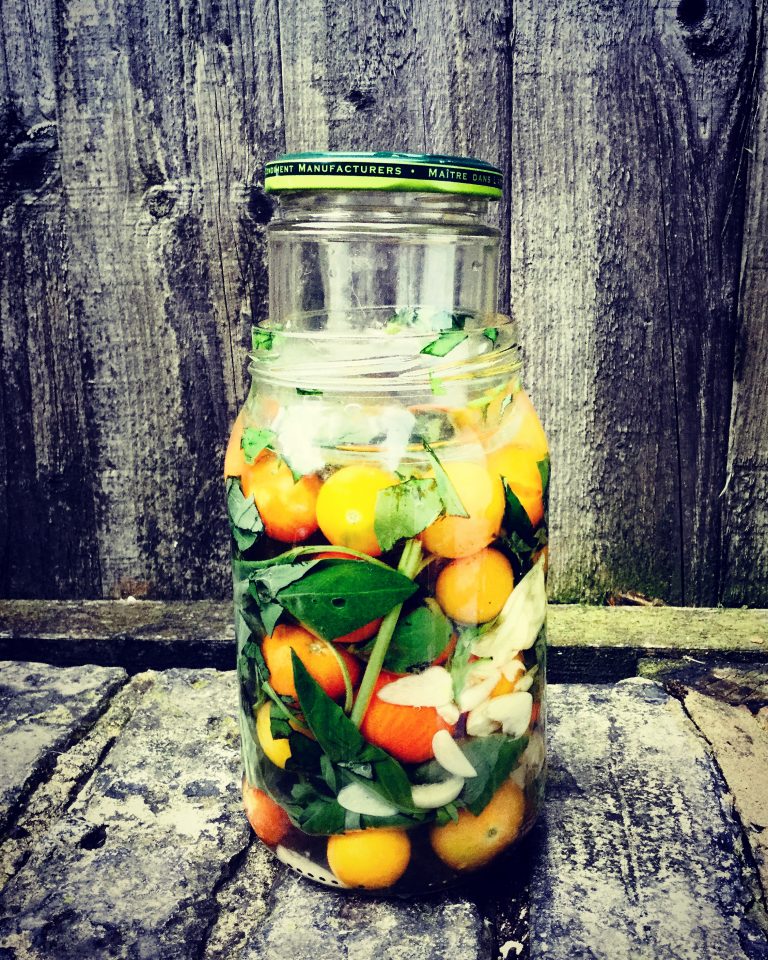
Cherry tomatoes: Ferment whole for beautiful presentations and burst-in-your-mouth texture. Red, yellow, and heirloom cherry varieties all work well. Poke each tomato once with a knife to allow brine penetration.
San Marzano: If you can find them, these Italian paste tomatoes create exceptional fermented results with concentrated flavor and firm texture.
Beefsteak and slicing tomatoes: Work fine but produce more liquid and softer results. Drain excess liquid during fermentation or use specifically for fermented tomato water (a probiotic liquid gold for soups and drinks).
What to Avoid
Never ferment tomatoes that show any signs of mold, soft spots, or damage. Fermentation amplifies what’s already present – good bacteria on healthy tomatoes, but potentially harmful bacteria on compromised ones. Also avoid unripe green tomatoes unless specifically making fermented green tomato relish (different process).
Basic Fermented Tomatoes Recipe
Ingredients
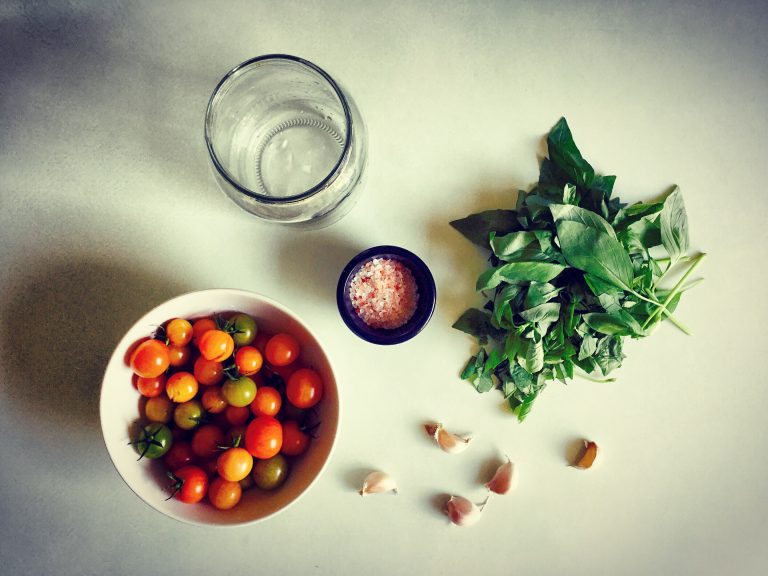
- 2 pounds ripe Roma tomatoes
- 1 tablespoon + 1 teaspoon sea salt (approximately 2% of tomato weight)
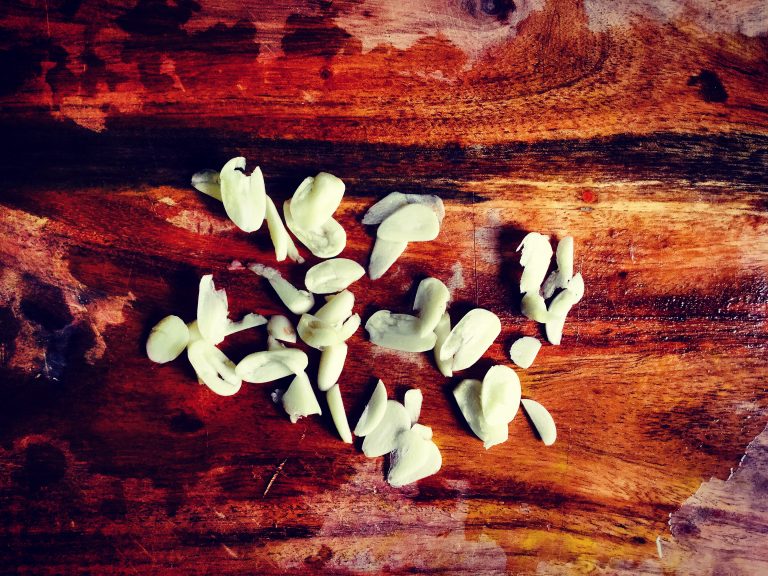
- 4 cloves garlic, smashed (optional)
- 1 teaspoon dried oregano (optional)
- 1/2 teaspoon red pepper flakes (optional)
- Fresh basil leaves (optional)
Equipment
- 1 quart (1 liter) wide-mouth mason jar
- Fermentation weight or small jar filled with water
- Cloth or loose lid for covering
- Kitchen scale (highly recommended for accurate salt measurement)
Instructions
Step 1: Prepare Tomatoes
Wash tomatoes thoroughly under running water. Remove stem cores. Cut Roma tomatoes into quarters or thick slices. For cherry tomatoes, leave whole but poke once with a knife point to allow brine to penetrate.
Step 2: Calculate Salt
Weigh your prepared tomatoes. Calculate 2% of that weight in salt. For 2 pounds (900g) of tomatoes, use 18 grams (about 1 tablespoon + 1 teaspoon) of sea salt. This ratio creates the ideal environment for beneficial bacteria while inhibiting harmful ones.
Step 3: Salt and Pack
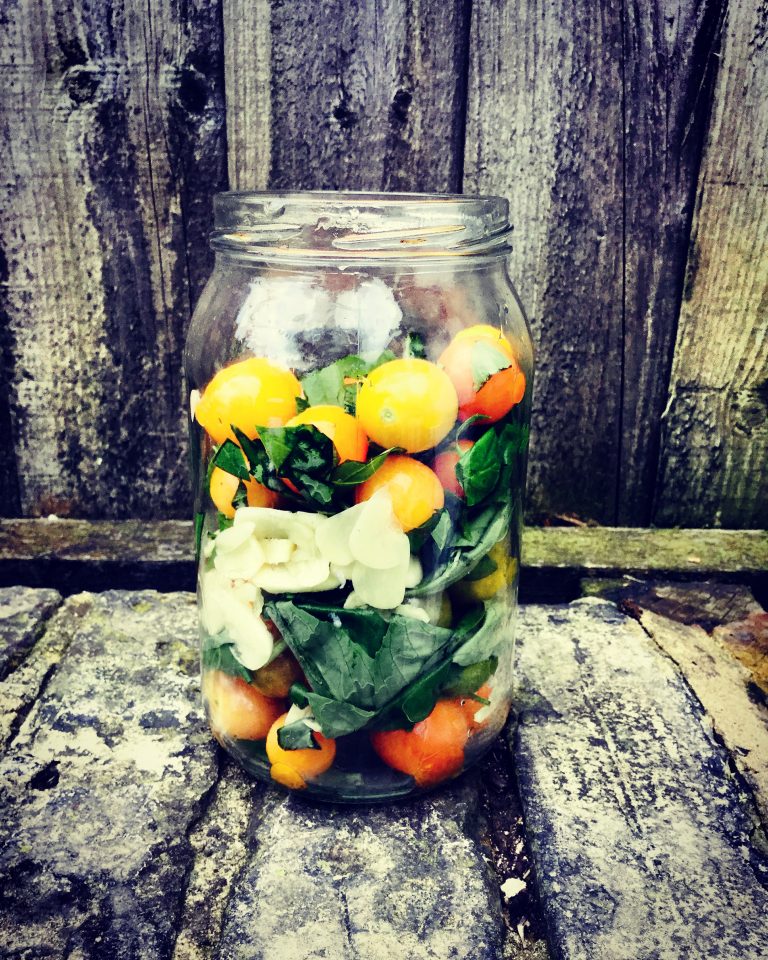
Toss tomatoes with salt in a large bowl. Add garlic and herbs if using. Let sit for 15-20 minutes – the salt will begin drawing moisture from the tomatoes. Pack firmly into your jar, pressing down after each addition to eliminate air pockets and submerge tomatoes in their own liquid.
Step 4: Weigh Down
Place a fermentation weight on top of the tomatoes, or use a small jar filled with water that fits inside the mouth of your fermenting jar. The goal is keeping all tomato pieces below the liquid line. Exposed tomatoes can develop mold.
Step 5: Cover and Ferment
Cover the jar with a cloth secured by a rubber band, or use a loose-fitting lid that allows gases to escape. Place in a spot away from direct sunlight at room temperature (65-75°F/18-24°C is ideal).
Step 6: Monitor Daily
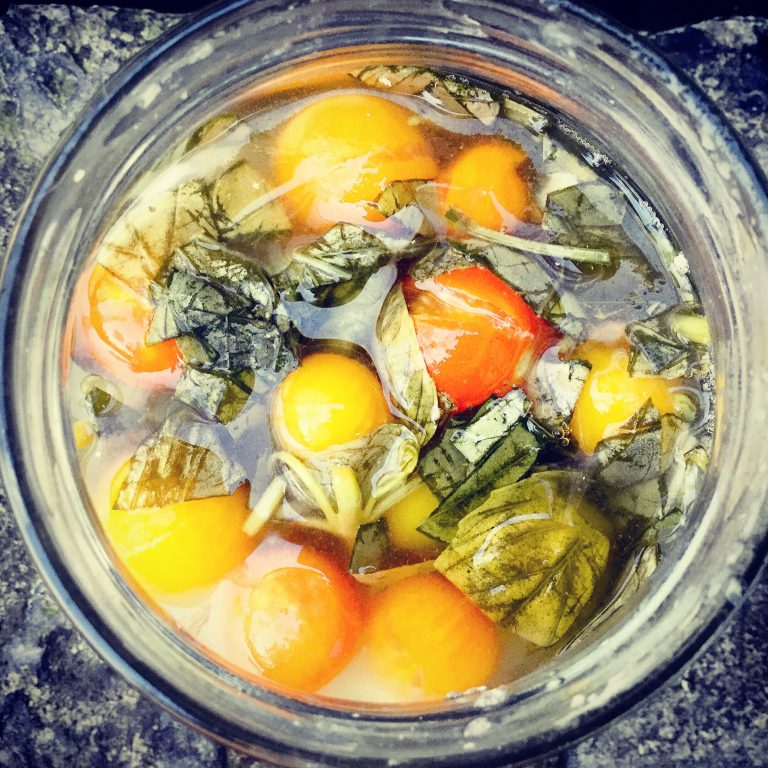
Check your ferment daily. Press down the weight to release trapped bubbles. You should see small bubbles forming within 24-48 hours – this indicates active fermentation. Skim any foam that appears on the surface (harmless but unappealing).
Step 7: Taste and Refrigerate
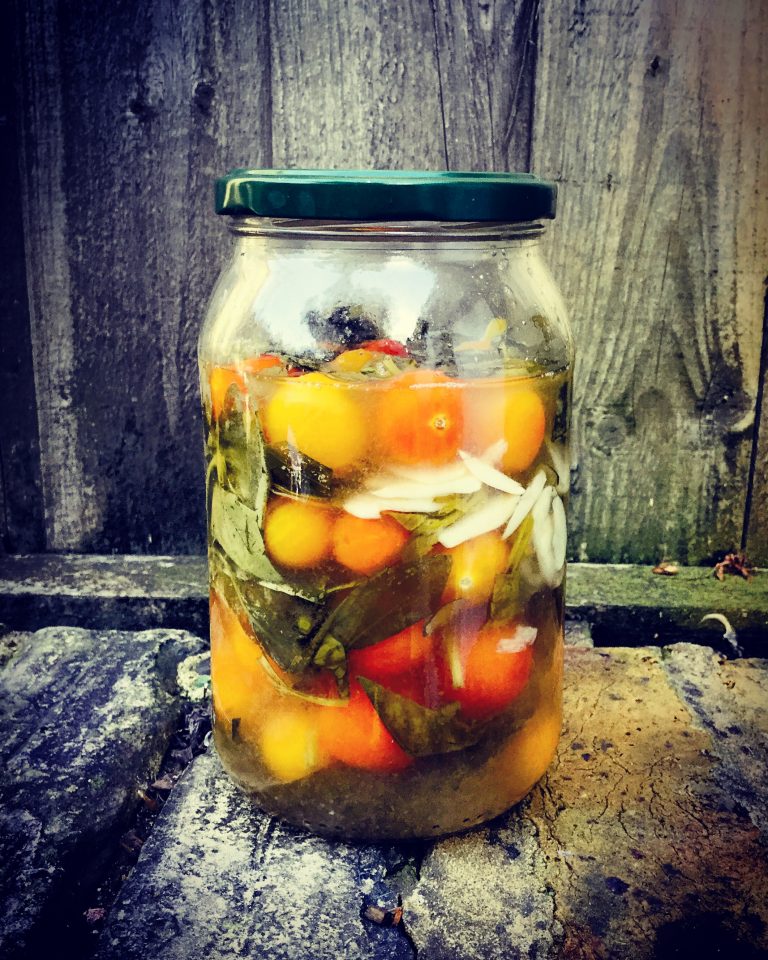
Begin tasting on day 2. The tomatoes are ready when they taste pleasantly tangy and the fresh tomato sharpness has mellowed. Most ferments reach ideal tanginess between days 3-5, depending on temperature. Once satisfied with the flavor, seal with an airtight lid and refrigerate.
Fermented Tomato Salsa Base
Take the basic fermented tomatoes and transform them into an instant salsa starter.
Additional Ingredients
- 1 batch fermented tomatoes (recipe above)
- 1/2 medium onion, diced
- 2 jalapeños or serranos, diced (seeds removed for less heat)
- 1/4 cup fresh cilantro, chopped
- Juice of 1 lime
- Salt to taste
Instructions
Drain fermented tomatoes, reserving the liquid. Roughly chop the fermented tomatoes (they’ll be soft). Mix with onion, peppers, and cilantro. Add lime juice and fermented tomato liquid to achieve desired consistency. The fermented base provides depth that fresh tomato salsa can’t match – a complexity usually achieved only through slow cooking.
For smoother salsa, pulse briefly in food processor. For chunky restaurant-style, chop everything by hand and mix. Store in refrigerator for up to 2 weeks.
Troubleshooting Common Issues
White Film on Surface (Kahm Yeast)
A thin white film sometimes develops on fermented vegetables. This is kahm yeast – harmless but affects flavor if left unchecked. Skim it off daily, ensure tomatoes stay submerged, and your ferment remains safe. Kahm yeast thrives in warmer temperatures, so moving the jar to a cooler spot helps prevent recurrence.
Fuzzy Mold (Any Color)
Fuzzy mold – especially black, blue, or green – means contamination. Unlike kahm yeast, mold has root structures that penetrate below the surface. Discard the entire batch if you see fuzzy mold. Mold typically occurs when tomatoes float above the brine. Prevention: ensure complete submersion and check daily.
Mushy Tomatoes
Tomatoes naturally soften during fermentation, but extreme mushiness suggests over-fermentation or starting with overripe tomatoes. Use firmer tomatoes next time and taste daily to catch the ideal texture window. Mushy fermented tomatoes still taste good blended into sauces.
Not Tangy After 5 Days
If fermentation seems stalled, your environment may be too cold. Move the jar to a warmer spot (70-75°F is ideal). You can also jump-start sluggish ferments by adding a tablespoon of brine from a successful ferment or a bit of whey from yogurt.
Too Salty
The 2% salt ratio creates optimal fermentation, but the final product might taste salty if you’re not accustomed to fermented foods. Rinse tomatoes before using, or incorporate them into dishes where the saltiness becomes seasoning (soups, sauces, grain bowls).
Creative Uses for Fermented Tomatoes
Instant Pasta Sauce
Blend fermented tomatoes with olive oil and fresh basil for a no-cook pasta sauce with incredible depth. The fermentation creates flavors that usually require hours of simmering. Add to hot pasta, toss, and serve immediately.
Bloody Mary Base
Fermented tomato brine makes an exceptional Bloody Mary base with natural probiotic benefits. Combine with vodka, Worcestershire sauce, horseradish, and celery salt. The fermented tanginess replaces the need for additional lemon juice.
Pizza Sauce
Blend fermented tomatoes with a touch of olive oil and dried oregano for pizza sauce that rivals expensive imports. The fermentation creates complexity similar to San Marzano tomatoes aged in the can.
Soup Starter
Add a few spoonfuls of fermented tomatoes to any soup for instant umami depth. Works especially well in minestrone, vegetable soups, and bean soups. Add near the end of cooking to preserve some probiotic benefit.
Grain Bowl Topping
Fermented cherry tomatoes make beautiful and flavorful toppings for grain bowls, Buddha bowls, and salads. Their concentrated flavor stands up to bold dressings and hearty grains.
Fermented Tomato Water
Don’t discard the liquid! Fermented tomato water is probiotic-rich and intensely flavored. Use it in:
- Salad dressings (replace some vinegar)
- Soup bases
- Rice cooking liquid (adds subtle tomato flavor)
- Cocktails
- Drinking straight as a probiotic tonic
Storage and Shelf Life
Refrigerator Storage
Once fermented to your liking, seal tightly and refrigerate. Properly fermented tomatoes last 2-3 months in the refrigerator. The fermentation slows dramatically in cold temperatures but doesn’t stop completely – flavors continue developing slowly. Most people find the flavor peaks around week 2-3 of refrigeration.
Signs of Spoilage
Trust your senses. Fermented tomatoes should smell tangy and appetizing, similar to good vinegar or yogurt. Unpleasant odors (rotting, sulfurous), slimy texture beyond normal softening, or visible mold indicate spoilage. When in doubt, discard.
Freezing (Not Recommended)
Freezing kills the beneficial bacteria that make fermented foods special. If you must freeze, understand you’re preserving flavor but losing probiotic benefits. Better to make smaller batches or share extras with friends.
Frequently Asked Questions
Can I use canned tomatoes?
No. Canned tomatoes have been heat-processed, killing the natural lactobacillus bacteria on the skins needed for fermentation. Fresh tomatoes are required. If you want to ferment in winter, try fermenting canned tomato products using whey or a vegetable starter culture, but results differ significantly from fresh-fermented tomatoes.
Why do my fermented tomatoes have a fizzy texture?
Light fizziness indicates active fermentation – this is normal and desirable. Carbon dioxide produced by bacteria creates tiny bubbles. The fizziness diminishes after refrigeration as fermentation slows.
Is the liquid supposed to get cloudy?
Yes! Cloudiness indicates healthy bacterial activity. Clear liquid suggests slow or incomplete fermentation. A cloudy brine with actively bubbling tomatoes shows exactly what you want to see.
Can I add vinegar to speed up fermentation?
Adding vinegar defeats the purpose. True fermentation creates its own lactic acid, which provides probiotic benefits that vinegar cannot. Vinegar pickles are a different preservation method entirely – quick, but not probiotic.
What if I don’t have fermentation weights?
DIY options: a small zip-lock bag filled with brine (salt water), a small jar filled with water, cleaned rocks, a cabbage leaf pressed on top. The goal is keeping all tomato pieces submerged below liquid level.
Final Thoughts
Fermented tomatoes deserve a place in every home fermenter’s repertoire. The process is forgiving, the results are delicious, and the applications are endless. Start with a small batch using the basic recipe, taste daily to learn how flavors develop, and then experiment with herbs, garlic, and spice additions that match your cooking style.
Once you’ve experienced the concentrated, tangy depth of fermented tomatoes in your cooking, going back to plain canned tomatoes feels like a downgrade. This simple preservation method, practiced for centuries before canning existed, creates flavors that modern convenience foods simply cannot match.