Smoothie Bowl
How to Ferment Carrots: Crunchy Probiotic Pickles (Easy Recipe)

Learn how to ferment carrots with this easy beginner-friendly recipe. Make crunchy probiotic pickles in just 3-7 days. Includes troubleshooting and flavor variations.

How to Ferment Carrots: Crunchy Probiotic Pickles (Easy Recipe)

If you’re new to fermentation, fermented carrots are the perfect place to start. Easier than sauerkraut, more versatile than kimchi, and more reliable than kombucha, fermented carrots deliver probiotic power with minimal effort. In just 3-7 days, you’ll transform ordinary carrots into tangy, crunchy, gut-healthy pickles that elevate any meal.

I’ve been fermenting vegetables for years, and fermented carrots remain one of my favorites. They’re nearly foolproof, require no special equipment, and the results are consistently delicious. Unlike other fermentation projects that can be temperamental, carrots ferment reliably every single time.

This comprehensive guide will teach you everything you need to know: the basic salt-brine method, flavor variations, troubleshooting tips, and creative ways to use your fermented carrot creations. Whether you’re a complete fermentation beginner or looking to expand your repertoire, this recipe will have you fermenting carrots like a pro.

Why Ferment Carrots?

Probiotic Powerhouse

Fermentation transforms raw carrots into a probiotic-rich food teeming with beneficial bacteria, primarily Lactobacillus species. These microorganisms support digestive health, strengthen immunity, and contribute to a healthy gut microbiome. One serving of fermented carrots can contain billions of beneficial bacteria.

Enhanced Nutrient Availability

Fermentation increases the bioavailability of nutrients in carrots. The beneficial bacteria pre-digest the vegetables, making vitamins and minerals easier for your body to absorb. Vitamin C content actually increases during fermentation, and beta-carotene becomes more accessible.

Longer Shelf Life

Fresh carrots last a few weeks in the refrigerator. Fermented carrots last 4-6 months or longer when properly stored. Fermentation is an ancient preservation technique that extends the harvest without canning, freezing, or any modern technology.

Improved Digestion

The fermentation process breaks down complex carbohydrates that can cause digestive discomfort. Fermented carrots are easier to digest than raw carrots for many people, especially those with sensitive digestive systems.

Delicious Tangy Flavor

Fermentation develops complex, tangy flavors that raw carrots lack. The natural sweetness of carrots balances beautifully with the sour, acidic notes from fermentation, creating a taste that’s both familiar and interesting.

Budget-Friendly

Carrots are one of the most affordable vegetables year-round. Fermenting them is incredibly economical – you need just carrots, salt, and water. No expensive starter cultures or special ingredients required.

Basic Fermented Carrots Recipe

This recipe makes about 1 quart of fermented carrots.

Ingredients

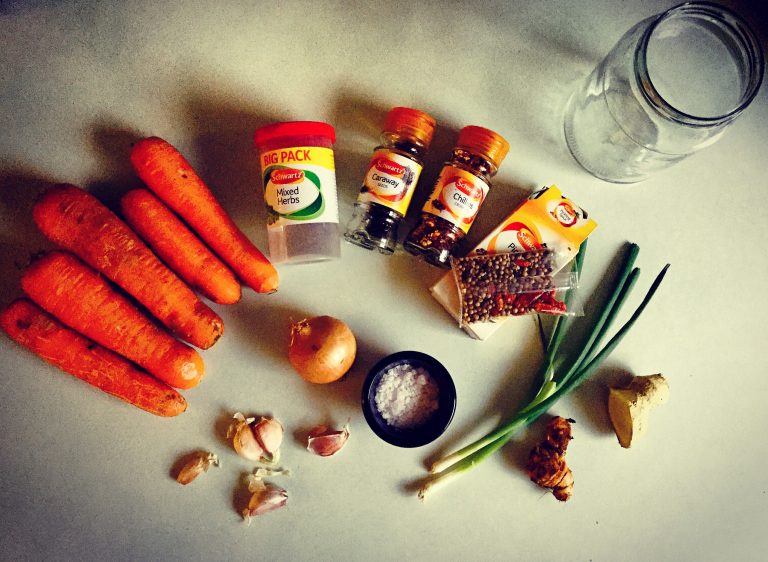
  • 1 pound carrots – About 6-8 medium carrots. Organic is preferable but not essential.
  • 2 cups filtered water – Chlorinated tap water can inhibit fermentation. Use filtered, spring, or well water.
  • 1 tablespoon sea salt – For a 2% brine. Use non-iodized salt (sea salt, kosher salt, or pickling salt). Avoid iodized table salt.
  • Optional: 2-3 cloves garlic, peeled – Adds flavor and extra antimicrobial properties
  • Optional: 1 teaspoon whole spices – Black peppercorns, mustard seeds, coriander seeds, or dill seeds
  • Optional: Fresh herbs – Dill fronds, bay leaves, or thyme

Equipment Needed

  • 1-quart glass jar – Wide-mouth mason jars work perfectly. Avoid metal containers.
  • Fermentation weight – Glass weight, small jar filled with water, or clean rock to keep carrots submerged
  • Breathable cover – Coffee filter, cheesecloth, or regular mason jar lid loosely screwed on
  • Knife and cutting board – For cutting carrots
  • Measuring cups and spoons – For accurate salt measurement

Step-by-Step Instructions

Step 1: Prepare the Carrots

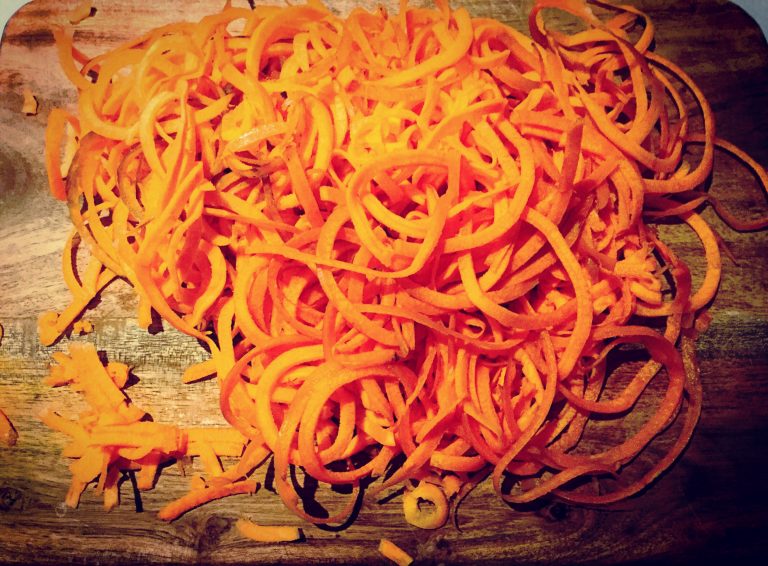
Wash and scrub carrots thoroughly, but don’t peel them – the skins contain beneficial bacteria that help start fermentation. Cut off and discard the tops and tips. Cut carrots into your preferred shape:

  • Sticks: Cut into 3-4 inch sticks (traditional dill pickle style)
  • Coins: Slice into 1/4-inch rounds (quick fermentation, easy snacking)
  • Shredded: Grate using box grater (fastest fermentation, great for salads)
  • Chunks: Cut into 1-inch chunks (bite-sized, versatile)

Pro Tip: Uniform size ensures even fermentation. Thinner cuts ferment faster than thick ones.

Step 2: Make the Brine

Combine 2 cups filtered water with 1 tablespoon sea salt. Stir until salt completely dissolves. This creates a 2% brine, which is ideal for vegetable fermentation – salty enough to inhibit bad bacteria but not so salty it stops fermentation.

Salt Concentration Guide:

  • 1.5% brine (1.5 tsp salt per cup water) – Milder flavor, faster fermentation, less crunchy
  • 2% brine (1 tbsp salt per cup water) – Perfect balance (recommended)
  • 3% brine (1.5 tbsp salt per cup water) – Slower fermentation, crunchier texture, saltier taste

Step 3: Pack the Jar

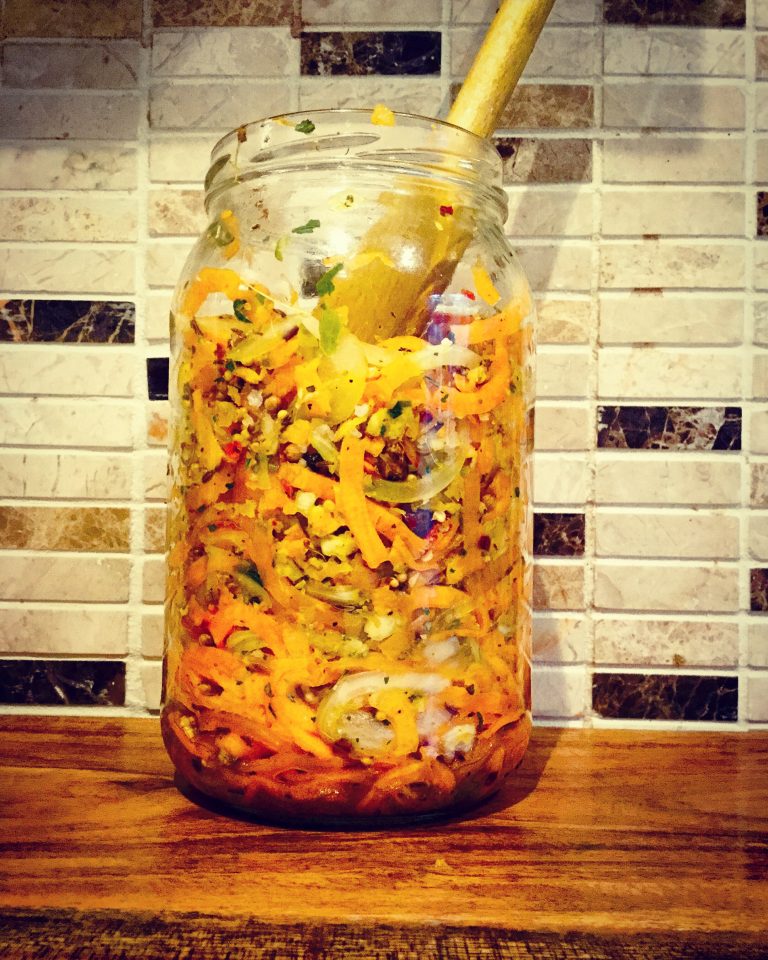
Place optional aromatics (garlic, spices, herbs) in the bottom of your clean quart jar. Pack carrot pieces tightly into the jar, leaving about 1-2 inches of headspace at the top. Tight packing helps keep carrots submerged and creates good texture.

Step 4: Add Brine

Pour the salt brine over the carrots, ensuring all pieces are completely submerged. Leave 1 inch of headspace at the top of the jar. Carrots will float initially – that’s normal.

Step 5: Weight Down the Carrots

Place a fermentation weight on top of the carrots to keep them submerged under the brine. Vegetables exposed to air can develop mold. If you don’t have a fermentation weight, use:

  • A smaller jar filled with water placed inside the opening
  • A clean, food-safe rock
  • A ziplock bag filled with extra brine (seals around vegetables)
  • A cabbage leaf tucked around the top to hold everything down

Step 6: Cover the Jar

Cover with a breathable material (coffee filter, cheesecloth, or paper towel) secured with a rubber band. This allows gases to escape while keeping out dust and insects. Alternatively, screw on a regular lid very loosely – don’t tighten it, as fermentation produces CO2 that needs to escape.

Important: Never seal a fermenting jar tightly – the pressure buildup can cause the jar to explode!

Step 7: Ferment at Room Temperature

Place the jar in a location out of direct sunlight at room temperature (65-75°F is ideal). Place the jar on a plate or in a shallow bowl to catch any brine that may bubble over during active fermentation.

Fermentation Timeline:

  • Days 1-2: Not much visible activity. Beneficial bacteria are multiplying.
  • Days 2-4: Brine may turn cloudy. Small bubbles appear. This is active fermentation – completely normal!
  • Days 3-7: Carrots develop tangy flavor. Taste daily starting at day 3 to find your preferred sourness.
  • Days 7+: Fermentation slows. Flavor becomes more intense and sour.

Step 8: Taste Test

Start tasting carrots at day 3 (or earlier if fermenting at warm temperatures). Use a clean fork to fish out a piece. Fermented carrots are ready when they taste pleasantly tangy and slightly sour with a nice crunch. The flavor should be interesting, not bland like raw carrots.

Trust your senses:

  • Smell: Should smell tangy, sour, and pleasantly fermented – like pickles
  • Taste: Sour but not unpleasantly acidic, with retained carrot sweetness
  • Texture: Crunchy but slightly softer than raw carrots
  • Appearance: May be slightly duller in color; brine is cloudy

Step 9: Refrigerate and Store

Once carrots reach your desired level of tanginess, remove any aromatics (garlic, herbs) if you prefer, ensure carrots are still submerged, screw on a tight lid, and refrigerate. Cold temperature dramatically slows fermentation, preserving the flavor you’ve achieved.

Storage: Fermented carrots last 4-6 months or longer in the refrigerator when kept submerged in brine. Always use clean utensils when removing carrots to prevent contamination.

Flavor Variations

Once you master the basic recipe, experiment with these delicious variations:

Classic Dill Carrot Pickles

Add: 2-3 sprigs fresh dill, 4 garlic cloves, 1 teaspoon dill seeds, 1 teaspoon black peppercorns
Flavor: Traditional dill pickle taste with carrot sweetness
Best use: Snacking straight from jar, sandwich topping

Spicy Mexican Fermented Carrots

Add: 2 jalapeño peppers (sliced), 1 small onion (sliced), 4 garlic cloves, 1 teaspoon cumin seeds, 1 teaspoon oregano
Flavor: Spicy, aromatic, inspired by escabeche
Best use: Taco topping, nacho garnish, Mexican food accompaniment

Ginger Turmeric Carrot Ferment

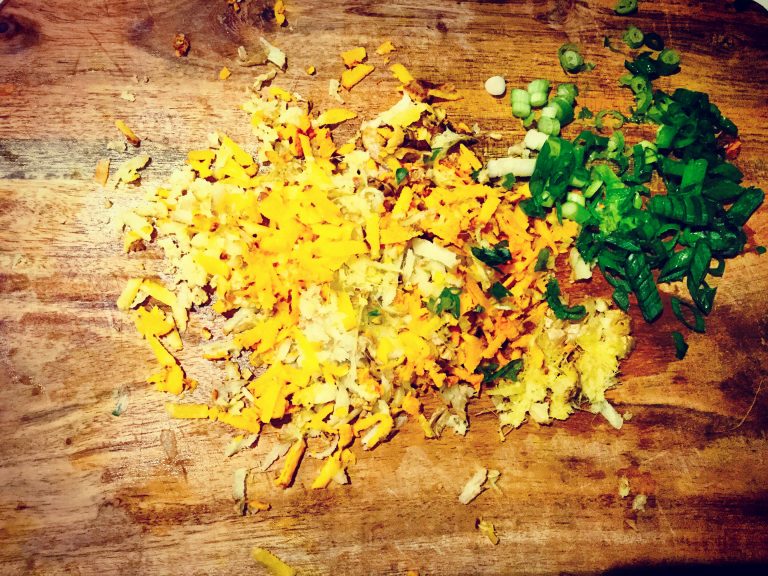
Add: 2-inch piece fresh ginger (sliced), 1-inch piece fresh turmeric (sliced), 1/2 teaspoon black peppercorns
Flavor: Warming, anti-inflammatory, slightly spicy
Best use: Smoothie addition, anti-inflammatory food, Asian-inspired dishes

Moroccan Spiced Carrots

Add: 1 teaspoon cumin seeds, 1 teaspoon coriander seeds, 1/2 teaspoon fennel seeds, 3 garlic cloves, pinch of red pepper flakes
Flavor: Warm, exotic, complex spice profile
Best use: Grain bowl topping, mezze platter, couscous accompaniment

Lemon Herb Carrots

Add: Zest of 1 lemon, 2 sprigs fresh thyme, 2 sprigs fresh rosemary, 3 garlic cloves
Flavor: Bright, herbal, Mediterranean
Best use: Salads, charcuterie boards, roasted vegetable side

Asian-Style Fermented Carrots

Add: 2-inch piece fresh ginger (sliced), 3 garlic cloves, 1 teaspoon sesame seeds, 1 star anise pod
Note: Can add 1 tablespoon soy sauce or tamari after fermentation
Flavor: Savory, umami-rich, ginger-forward
Best use: Stir-fry topping, ramen garnish, Asian bowl ingredient

Troubleshooting Common Issues

Problem: White Film on Top of Brine

What it is: Kahm yeast – a harmless white film that sometimes forms on the surface
Is it safe? Yes, completely harmless but can cause off flavors
Solution: Skim off with a spoon, ensure carrots stay submerged, refrigerate immediately to stop yeast growth
Prevention: Use enough salt (2%), keep vegetables submerged, ferment at cooler temperatures

Problem: Soft, Mushy Carrots

Causes: Over-fermentation, too warm temperature, old carrots, too little salt
Solution: Ferment for shorter time (3-5 days), ferment at cooler temperature (65-70°F), use fresh firm carrots, ensure 2% salt concentration
Prevention: Add grape leaves, oak leaves, or horseradish leaves (contain tannins that preserve crunch), refrigerate promptly when desired texture is achieved

Problem: Mold Growth (Pink, Black, or Fuzzy)

What it is: Actual mold – different from harmless kahm yeast
Is it safe? No – discard the entire batch if you see mold
Causes: Vegetables exposed to air, contaminated equipment, not enough salt
Prevention: Keep vegetables fully submerged, use clean equipment, use adequate salt, ferment at appropriate temperature

Problem: No Bubbling or Activity

Causes: Too cold temperature, chlorinated water, not enough time, too much salt
Solution: Move to warmer location, use filtered water, wait longer (fermentation can be slow to start), check salt ratio
Note: Lack of visible bubbles doesn’t always mean fermentation isn’t happening – taste test to check

Problem: Too Salty

Causes: Too much salt in brine or salt not fully dissolved
Solution: Rinse carrots briefly before eating, or soak in fresh water for 30 minutes to reduce saltiness
Prevention: Measure salt carefully, ensure complete dissolution before adding to jar

Problem: Bad Smell

Normal fermentation smells: Sour, tangy, vinegar-like, pickle-like
Bad smells: Rotten, putrid, sulfurous, extremely foul
Solution: If it smells truly bad (not just strongly fermented), discard the batch
Note: Garlic and some spices can create strong smells that are still safe – use your judgment

How to Use Fermented Carrots

Fermented carrots are incredibly versatile. Here are creative ways to enjoy them:

Simple Snacking

  • Eat straight from the jar as a probiotic-rich snack
  • Add to cheese or charcuterie boards
  • Pack in lunchboxes for crunchy, healthy side

Salads and Bowls

  • Chop and add to green salads for tangy crunch
  • Top grain bowls (quinoa, rice, farro)
  • Mix into coleslaw or potato salad
  • Add to buddha bowls and poke bowls

Sandwiches and Wraps

  • Layer in sandwiches instead of regular pickles
  • Add to wraps, tacos, and burritos
  • Top burgers and hot dogs
  • Include in banh mi sandwiches

Condiments and Toppings

  • Blend into salad dressings for probiotic boost
  • Chop finely for relish or chutney
  • Add to hummus or tzatziki
  • Top avocado toast

Cooked Dishes

  • Add to stir-fries at the very end (don’t cook, just warm)
  • Chop and stir into fried rice
  • Top soups and stews just before serving
  • Mix into scrambled eggs or omelets

Important: Heating fermented vegetables above 115°F kills beneficial probiotics. Add to hot dishes at the very end, or use as a cold topping to preserve probiotic benefits.

Nutritional Benefits

Fermented carrots provide enhanced nutrition compared to raw carrots:

Probiotics

Each serving contains billions of beneficial Lactobacillus bacteria that support gut health, immune function, and digestion.

Enhanced Beta-Carotene

Carrots are famous for beta-carotene (converted to vitamin A in the body). Fermentation increases bioavailability, making it easier to absorb.

Vitamin K2

Fermentation produces vitamin K2, important for bone health and cardiovascular health. Raw carrots don’t contain K2.

Digestive Enzymes

Beneficial bacteria produce enzymes that aid digestion and help break down foods in your gut.

Lower Glycemic Impact

Fermentation reduces sugar content as bacteria consume carbohydrates, resulting in lower glycemic impact than raw carrots.

Frequently Asked Questions

Do I need a starter culture or whey to ferment carrots?

No! Carrots contain natural bacteria on their skins that initiate fermentation. A simple salt brine is all you need. Some people add whey or starter culture to speed fermentation, but it’s completely optional.

Can I use tap water?

Only if it’s not chlorinated. Chlorine kills bacteria, including the beneficial ones needed for fermentation. If your tap water is chlorinated, use filtered water, or let tap water sit uncovered for 24 hours to allow chlorine to evaporate.

Should I peel the carrots?

No need to peel! The skins contain beneficial bacteria that help start fermentation. Just scrub them well to remove dirt. Organic carrots are preferable if eating unpeeled.

How long do fermented carrots last?

When kept submerged in brine and refrigerated, fermented carrots last 4-6 months or longer. They continue to slowly ferment in the fridge, developing more complex flavors over time. Always use clean utensils to prevent contamination.

Can I reuse the brine?

Yes! The leftover brine is packed with probiotics and flavor. Use it as:

  • Salad dressing base
  • Smoothie addition (small amounts)
  • Marinade for meats
  • Probiotic shot (drink 1-2 tablespoons daily)
  • Starter for next fermentation batch

Are fermented carrots safe during pregnancy?

Generally yes, if properly fermented. However, pregnant women should consult their healthcare provider. Some doctors recommend avoiding unpasteurized fermented foods during pregnancy as a precaution.

Can kids eat fermented carrots?

Absolutely! Fermented vegetables are safe and healthy for children. Start with small amounts to allow their digestive system to adjust to probiotics. The tangy flavor appeals to many kids, especially when fermented with dill for a pickle taste.

Why are my fermented carrots cloudy?

Cloudy brine is completely normal and actually a good sign! It indicates active fermentation. The cloudiness comes from beneficial bacteria. Clear brine might mean fermentation hasn’t started yet.

Conclusion: Start Fermenting Today

Fermented carrots are the perfect introduction to the world of vegetable fermentation. They’re forgiving, reliable, delicious, and packed with gut-healthy probiotics. Unlike more advanced fermentation projects that can be finicky or intimidating, carrot fermentation succeeds almost every time.

You don’t need special equipment, expensive ingredients, or mysterious starter cultures. Just carrots, salt, water, and a few days of patience. The fermentation happens naturally, guided by beneficial bacteria already present on the vegetables. Your job is simply to create the right environment – and this recipe shows you exactly how.

The beauty of fermented carrots extends beyond their probiotic benefits. They’re incredibly versatile in the kitchen, adding tangy crunch to everything from salads to sandwiches to grain bowls. They’re economical, using one of the most affordable vegetables to create a gourmet probiotic food. And they last for months, allowing you to preserve abundance when carrots are cheap and plentiful.

Start with the basic recipe I’ve shared, then experiment with the flavor variations once you’re comfortable. Maybe you’ll discover that spicy Mexican-style fermented carrots are your new taco obsession, or that ginger-turmeric carrots make your morning smoothie bowl extra special.

So grab a pound of carrots, a jar, and some salt. In less than 10 minutes of active time, you’ll have a fermentation project underway. In 3-7 days, you’ll have delicious, crunchy, probiotic-rich pickles. And you’ll have joined the ancient tradition of fermentation that humans have practiced for thousands of years.

Your gut health (and your taste buds) will thank you. Happy fermenting!

Share: