Smoothie Bowl

How to Ferment Banana Peppers: Easy Recipe + Probiotic Benefits

If you’re looking to add a tangy, probiotic-rich kick to your meals, fermented banana peppers are your answer. These mild, sweet peppers transform into flavor bombs through the magic of lacto-fermentation, developing a complex tanginess that elevates everything from sandwiches to tacos.

Whether you’re a fermentation beginner or an experienced home fermenter looking to expand your repertoire, this comprehensive guide will walk you through everything you need to know about creating perfectly fermented banana peppers at home.

What Are Fermented Banana Peppers and Why Should You Make Them?

Fermented banana peppers are mild, sweet peppers that have been preserved through lacto-fermentation—an ancient preservation method that uses beneficial bacteria to transform fresh vegetables into tangy, probiotic-rich foods. Unlike pickled banana peppers made with vinegar, fermented versions develop their acidity naturally through bacterial fermentation.

The result is a complex, layered flavor that goes far beyond simple vinegar tang. Fermented banana peppers offer a sweet-tart-spicy profile with umami depth that can’t be replicated through traditional pickling methods.

The Magic of Natural Fermentation

When you submerge banana peppers in salt brine, naturally occurring lactic acid bacteria (LAB) on the pepper’s surface begin consuming the natural sugars in the vegetable. As they feed, these beneficial microorganisms produce lactic acid, which lowers the pH and creates the characteristic tangy flavor we associate with fermented foods.

This acidic environment acts as a natural preservative, preventing harmful bacteria from growing while encouraging beneficial probiotics to flourish. The process requires no heating, no vinegar, and no special ingredients—just salt, water, peppers, and time.

Fermented vs. Pickled: Understanding the Difference

Many people confuse fermentation with pickling, but they’re fundamentally different processes. Traditional pickling uses vinegar and often heat to preserve vegetables quickly. Fermentation, on the other hand, creates acidity naturally through bacterial activity over days or weeks.

Fermented banana peppers offer live probiotics, enhanced bioavailability of nutrients, and more complex flavors. Pickled banana peppers provide quick results and consistent acidity but lack the living cultures and depth of fermented versions. Both have their place, but fermented peppers offer unique health benefits that pickled versions simply can’t match.

The Science-Backed Health Benefits of Fermented Banana Peppers

Fermented banana peppers aren’t just delicious—they’re functional foods that support your health in multiple ways. Here’s what the research tells us about the benefits of fermented peppers.

Gut Health and Probiotic Power

Each bite of fermented banana peppers delivers millions of beneficial bacteria directly to your digestive system. Research published in the Journal of Applied Microbiology shows that lacto-fermented vegetables can contain up to 10 million colony-forming units (CFU) of probiotics per gram.

These living microorganisms help populate your gut microbiome with beneficial species, supporting digestion, nutrient absorption, and even immune function. Unlike probiotic supplements that may lose potency on the shelf, homemade fermented peppers offer fresh, living cultures that actively colonize your gut.

Enhanced Nutrient Bioavailability

Fermentation doesn’t just preserve nutrients—it actually makes them more accessible to your body. The bacterial activity during fermentation breaks down plant cell walls and anti-nutrients that can interfere with mineral absorption. Studies from the International Journal of Food Microbiology indicate that fermented vegetables can have significantly higher bioavailable vitamins compared to their fresh counterparts.

Banana peppers are already rich in vitamin C, vitamin A, and various B vitamins. Fermentation enhances the availability of these nutrients while also producing additional B vitamins like B12 (in small amounts) and vitamin K2 through bacterial synthesis.

Natural Anti-Inflammatory Properties

Banana peppers contain capsaicin (though in much milder amounts than hot peppers), which has well-documented anti-inflammatory properties. The fermentation process creates additional anti-inflammatory compounds through bacterial metabolism, potentially offering enhanced benefits for reducing chronic inflammation.

Research suggests that the probiotics in fermented foods may also help modulate inflammatory responses throughout the body, supporting everything from joint health to cardiovascular function.

Blood Sugar and Metabolic Support

Emerging research indicates that the lactic acid and probiotics from fermented vegetables may help improve insulin sensitivity and support healthy blood sugar levels. While more research is needed, preliminary studies suggest that regularly consuming fermented foods as part of a balanced diet may contribute to better metabolic health.

Immune System Boost

With approximately 70% of your immune system residing in your gut, supporting your microbiome through fermented foods directly impacts immune function. The diverse bacterial strains in fermented banana peppers help maintain a robust, balanced immune response, potentially reducing the frequency and severity of common illnesses.

Essential Ingredients and Equipment for Perfect Fermented Banana Peppers

The beauty of fermenting banana peppers lies in its simplicity. You need just a handful of basic ingredients and minimal equipment to get started.

Ingredients You’ll Need

Fresh banana peppers (1-2 pounds): Choose firm, bright yellow peppers without soft spots, bruises, or blemishes. You can also use a mix of yellow and red banana peppers for visual appeal. Organic peppers are ideal to avoid pesticide residues that might interfere with fermentation.

Sea salt or kosher salt (non-iodized): You’ll need 2-3 tablespoons per quart of water. Avoid iodized table salt or salt with anti-caking agents, as these can inhibit beneficial bacteria. Pure sea salt, kosher salt, or Himalayan pink salt all work perfectly.

Filtered water: Chlorine and chloramine in tap water can prevent proper fermentation by killing beneficial bacteria. Use filtered, spring, or distilled water, or let tap water sit uncovered for 24 hours to allow chlorine to dissipate.

Optional flavor enhancers: Fresh garlic cloves, black peppercorns, mustard seeds, coriander seeds, dill seeds, fresh dill, bay leaves, or red pepper flakes can add complexity and depth to your ferment.

Equipment Checklist

Wide-mouth glass jar (quart or half-gallon size): Glass is ideal because it’s non-reactive and allows you to monitor fermentation progress. Mason jars work perfectly and are readily available.

Fermentation weight or alternative: Glass weights, ceramic weights, or even a small water-filled jar that fits inside your fermentation jar will keep peppers submerged under brine—crucial for preventing mold.

Breathable cover: A clean cloth, coffee filter, or paper towel secured with a rubber band allows gases to escape while keeping contaminants out. Some fermenters prefer airlock lids, but simple cloth works excellently for beginners.

Sharp knife and cutting board: For slicing or piercing your peppers to allow brine penetration.

Large bowl or pitcher: For mixing your salt brine before adding to the jar.

Step-by-Step Guide: Fermenting Banana Peppers at Home

Follow these detailed instructions to create your first batch of perfectly fermented banana peppers. The process is straightforward, but attention to detail ensures the best results.

Step 1: Prepare Your Banana Peppers

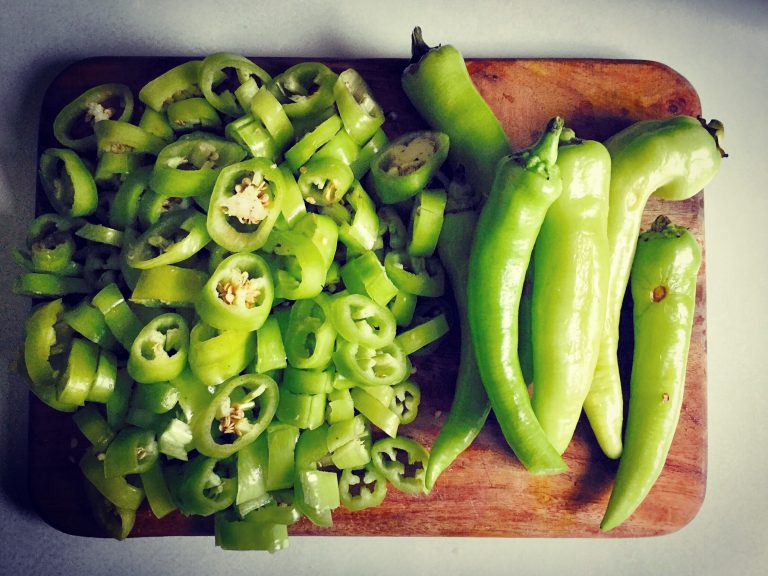
Start by thoroughly washing your banana peppers under cold running water to remove any dirt, debris, or residual pesticides. Pat them completely dry with a clean kitchen towel or let them air-dry for 15-20 minutes.

You have several options for preparing the peppers:

  • Whole peppers: Pierce each pepper several times with a knife or fork to allow brine to penetrate. This method maintains maximum crunch.
  • Sliced rings: Cut peppers into ¼-inch rings, removing stems. This allows faster fermentation and easier eating.
  • Halved peppers: Cut lengthwise, removing stems and seeds if desired. This offers a balance between whole and sliced.

If you’re sensitive to spice, remove the seeds and white membranes (though banana peppers are quite mild). Leaving seeds adds a bit more heat and visual interest to the final product.

Step 2: Sterilize Your Equipment

While fermentation isn’t a sterile process (you want good bacteria), starting with clean equipment prevents unwanted microorganisms from competing with beneficial bacteria. Wash your jar, lid, and any utensils with hot, soapy water. For extra assurance, run them through a hot dishwasher cycle or immerse in boiling water for 5 minutes.

Allow everything to air-dry completely before using. Any moisture should come from your brine, not from tap water.

Step 3: Pack the Jar with Peppers and Aromatics

Begin layering your prepared banana peppers into the clean jar. As you pack, add your chosen aromatics between layers for even flavor distribution. A classic combination includes:

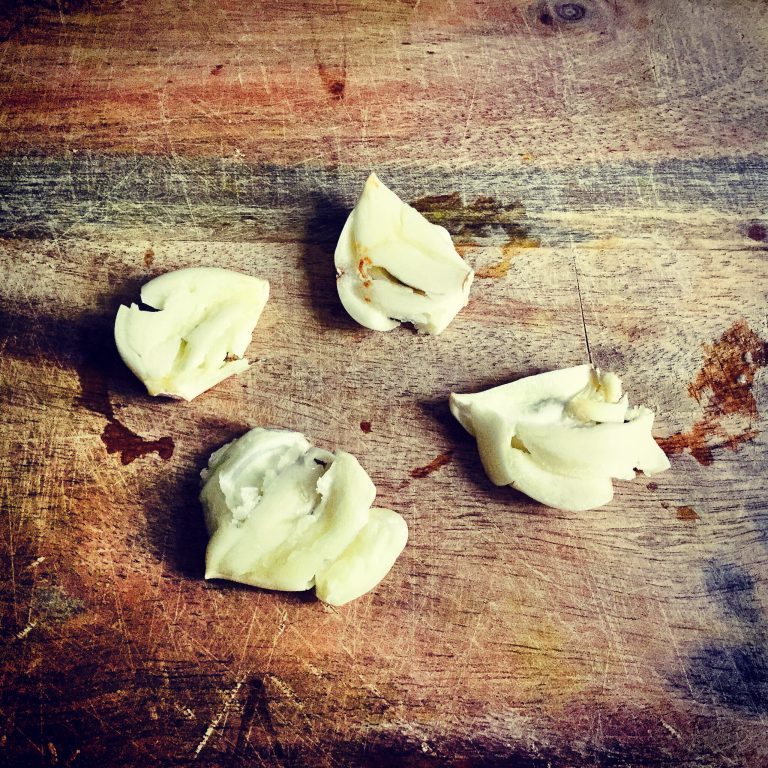
  • 4-6 garlic cloves, peeled and lightly smashed
  • 1 tablespoon black peppercorns
  • 1 teaspoon mustard seeds
  • 2-3 fresh dill sprigs or 1 tablespoon dill seeds
  • Optional: ½ teaspoon red pepper flakes for extra heat

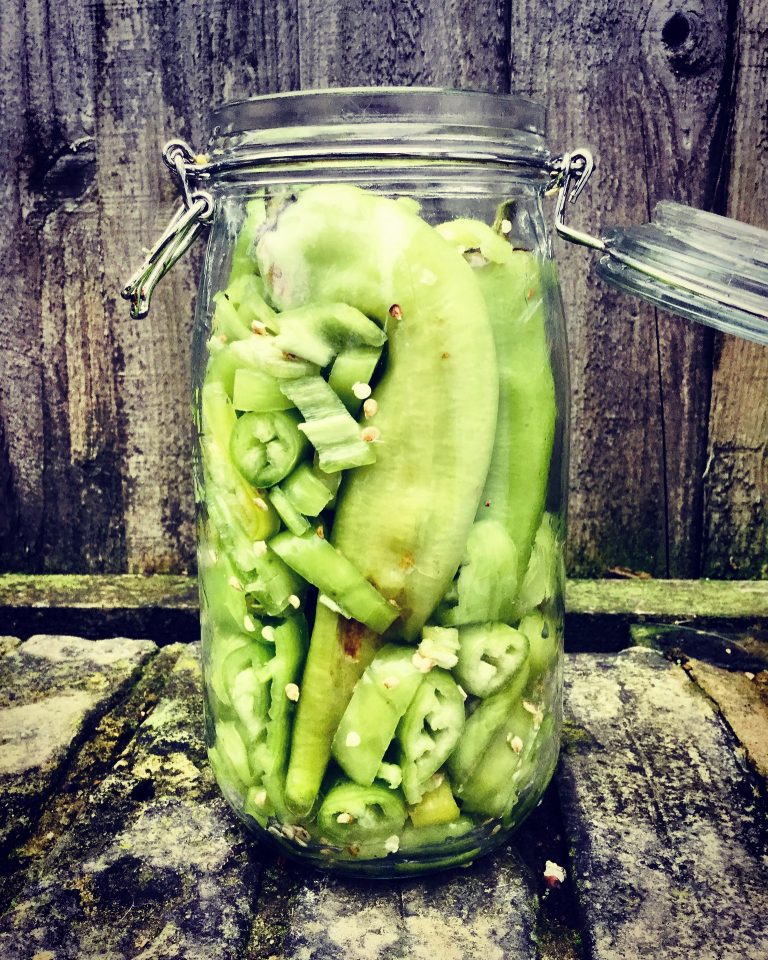
Pack the peppers firmly but not too tightly—you want brine to circulate around each piece. Leave about 2-3 inches of headspace at the top of the jar for brine and to accommodate bubbling during active fermentation.

Step 4: Create Your Salt Brine

In a separate container, prepare your brine by dissolving salt in filtered water. The standard ratio for pepper fermentation is 2-3 tablespoons of salt per quart (4 cups) of water, creating approximately a 2-3% salt solution.

For banana peppers specifically, I recommend 2.5 tablespoons per quart—strong enough to prevent spoilage but mild enough to maintain the peppers’ natural sweetness. Stir thoroughly until all salt crystals are completely dissolved. You shouldn’t see any granules at the bottom.

If you’re making a smaller or larger batch, use this ratio: 1 tablespoon of salt per 2 cups (16 ounces) of water.

Step 5: Pour Brine Over Peppers

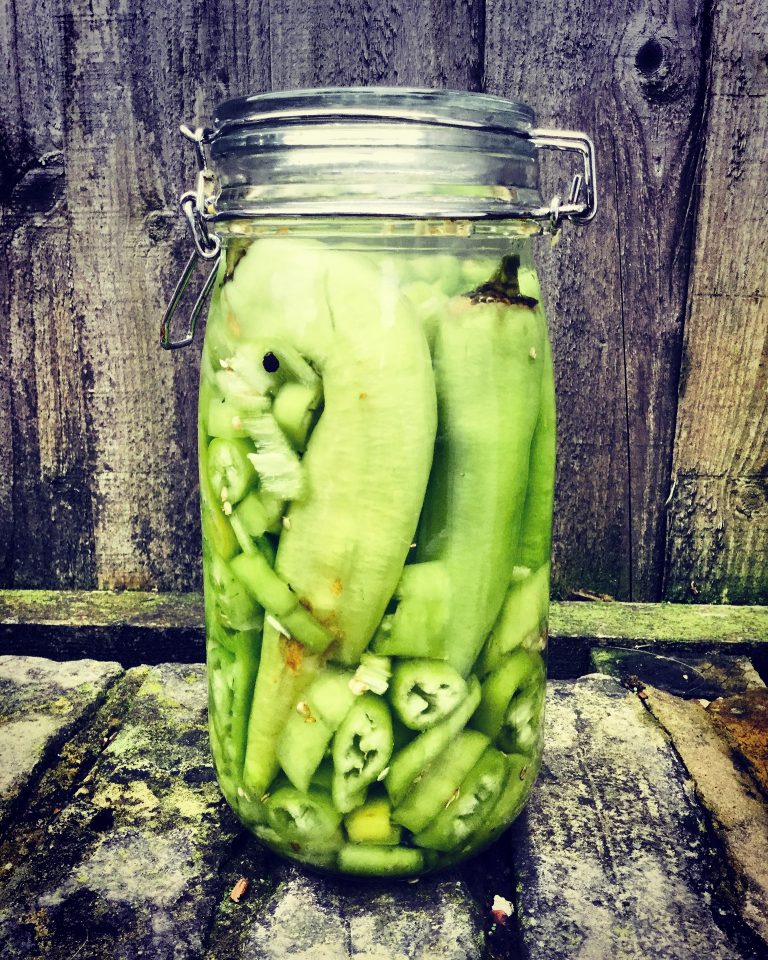
Pour your prepared brine over the packed peppers and aromatics, ensuring everything is completely submerged. The brine should cover the peppers by at least 1 inch—this is absolutely critical for preventing mold growth.

Air-exposed peppers will almost certainly develop mold, so don’t skimp on brine. If you need more, simply mix additional brine using the same salt-to-water ratio. Leave 1-2 inches of space between the brine surface and the jar rim to prevent overflow during fermentation.

Step 6: Weight Down the Peppers

Banana peppers naturally want to float, which is problematic since floating vegetables above the brine line will develop mold. Place your fermentation weight on top to keep everything submerged.

If you don’t have a commercial fermentation weight, alternatives include:

  • A smaller jar filled with water
  • A clean, food-grade rock in a plastic bag
  • A ziplock bag filled with brine (same salt concentration)
  • A cabbage leaf tucked around the edges to hold peppers down

Check that every pepper piece is below the brine line. Any floaters should be pushed down or removed, as they’re the most likely to develop mold.

Step 7: Cover and Position Your Ferment

Cover the jar opening with your breathable cloth, coffee filter, or paper towel, securing it tightly with a rubber band or string. This covering serves dual purposes: it keeps out dust, insects, and contaminants while allowing carbon dioxide produced during fermentation to escape safely.

Never seal a fermenting jar with a regular lid during active fermentation—the buildup of gases could cause the jar to explode or crack. If using an airlock system, follow the manufacturer’s instructions for proper setup.

Place your covered jar in a cool, dark location away from direct sunlight and heat sources. A pantry, cupboard, or corner of your kitchen counter works perfectly. The ideal fermentation temperature is 65-75°F (18-24°C). Warmer temperatures speed fermentation but may soften peppers, while cooler temperatures slow the process but typically maintain better crunch.

Step 8: Monitor Daily During Fermentation

Check your ferment daily, especially during the first week. You’re looking for these signs of healthy fermentation:

  • Bubbles: Small bubbles rising through the brine indicate active bacterial growth
  • Cloudiness: The brine will become increasingly cloudy as lactic acid bacteria multiply—this is normal and healthy
  • Aroma: A pleasant, tangy, pickle-like smell should develop (not rotten or putrid)
  • Color change: Peppers may dull slightly in color as fermentation progresses

If you notice any peppers floating above the brine, push them back down immediately. If white film (kahm yeast) appears on the surface, skim it off—it’s harmless but can affect flavor if left too long.

Step 9: Taste Test and Determine Readiness

Start tasting your fermented banana peppers after 5-7 days. Use a clean fork to fish out a piece, being careful not to contaminate the ferment with unwashed utensils or hands.

The flavor progression typically follows this timeline:

  • Days 5-7: Mild tanginess developing, still quite salty, peppers maintain maximum crunch
  • Days 8-12: Noticeable tang, balanced salt, classic “fermented pepper” flavor—most people’s preferred range
  • Days 13-21: Strong, complex tanginess, softer texture, more intense probiotic flavor

There’s no single “correct” fermentation time—it’s entirely about personal preference. Some people love the bright, crisp flavor of short fermentation, while others prefer the deep, funky complexity of extended fermentation.

Step 10: Store Your Finished Ferment

Once your fermented banana peppers reach your desired flavor, it’s time to halt the fermentation process. Remove the weight and cloth cover, wipe the jar rim clean, and seal with a regular lid. Transfer immediately to your refrigerator.

Cold temperatures dramatically slow fermentation to a near standstill, preserving your peppers at their peak flavor and texture. Properly fermented and refrigerated banana peppers can last 6 months or longer, though the flavor will continue to develop very slowly over time.

Always use clean utensils when removing peppers from the jar to prevent contamination. Keep peppers submerged under brine during storage to maintain quality.

Troubleshooting Common Fermentation Issues

Even experienced fermenters occasionally encounter problems. Here’s how to identify and solve the most common issues when fermenting banana peppers.

Mold Growth on the Surface

Problem: Fuzzy mold (green, black, pink, or blue) appearing on the surface or on floating peppers.

Solution: Any fuzzy, colored mold means the batch should be discarded. While small amounts of white film (kahm yeast) can be skimmed off safely, true mold indicates contamination. Don’t risk consuming moldy ferments.

Prevention: Keep all peppers completely submerged under brine at all times. Use adequate salt concentration (2.5% minimum). Ensure your jar and hands are clean when handling the ferment. Check daily and push down any floaters immediately.

Peppers Becoming Too Soft

Problem: Your banana peppers have lost their crisp texture and become mushy.

Solution: Once peppers are soft, you can’t restore crunch, but they’re still safe to eat and work well pureed into hot sauces, relishes, or spreads.

Prevention: Start with very fresh, firm peppers. Ferment at cooler temperatures (65-70°F rather than 75°F+). Don’t over-ferment—refrigerate once your desired flavor is reached. Some fermenters add grape leaves, oak leaves, or horseradish leaves to the jar, as they contain tannins that help maintain crunch.

Fermentation Not Starting

Problem: After several days, you see no bubbles, cloudiness, or smell development.

Solution: Check your salt concentration—too much salt inhibits fermentation. Ensure you’re using filtered water (chlorine kills beneficial bacteria). If your environment is too cold (below 60°F), move the jar to a warmer location.

Prevention: Use the correct salt ratio (2-3 tablespoons per quart). Use filtered or dechlorinated water. Maintain temperatures between 65-75°F. If your peppers were treated with anti-microbial washes, natural bacteria may be lacking—add a tablespoon of brine from a successful ferment to jumpstart the process.

Overly Salty Flavor

Problem: Your fermented peppers taste too salty even after adequate fermentation time.

Solution: The saltiness should mellow as fermentation progresses and lactic acid develops. If still too salty after 10-14 days, rinse peppers briefly before eating, though this reduces probiotic content slightly.

Prevention: Measure salt carefully—don’t add more than 3 tablespoons per quart of water. Remember that perceived saltiness decreases as tanginess increases, so be patient and taste regularly.

White Film on Surface (Kahm Yeast)

Problem: A white, somewhat filmy or bubbly layer appearing on the brine surface.

Solution: This is kahm yeast, which is harmless but can affect flavor if left too long. Skim it off carefully with a clean spoon, wipe the jar edges, and ensure peppers remain submerged. Not dangerous, but address it promptly.

Prevention: Maintain adequate salt levels, keep everything submerged, and refrigerate once fermentation is complete. Kahm yeast prefers aerobic (oxygen-rich) environments, so proper submersion is key.

Unpleasant or Off Odors

Problem: The ferment smells truly rotten, putrid, or chemically rather than pleasantly tangy.

Solution: Trust your nose. While fermentation has a distinctive smell (sour, pickle-like, sometimes sulfurous), truly foul odors indicate spoilage. When in doubt, throw it out.

Prevention: Use fresh ingredients, adequate salt, and proper techniques. Ensure everything remains submerged. Check daily for signs of problems. Maintain proper fermentation temperatures.

Creative Flavor Variations for Fermented Banana Peppers

Once you’ve mastered the basic recipe, experiment with these delicious variations to create unique flavor profiles.

Spicy Garlic Banana Peppers

Amp up the heat by adding 1-2 teaspoons of red pepper flakes and 8-10 garlic cloves. The garlic mellows beautifully during fermentation while adding savory depth, and the extra spice transforms mild banana peppers into zesty flavor bombs perfect for pizza and sandwiches.

Italian-Style Herb Peppers

Create an Italian-inspired ferment by adding fresh oregano sprigs, basil leaves, 1 tablespoon of fennel seeds, and 8 garlic cloves. These peppers are perfect for antipasto platters, Italian sandwiches, or chopped into pasta salads.

Sweet and Tangy Peppers

Add 1-2 tablespoons of honey or a few slices of fresh pineapple to your brine for a sweet-tangy contrast. The sugars feed fermentation while adding complexity. These work beautifully in tacos, grain bowls, or as a pizza topping.

Asian-Inspired Ginger Peppers

Include 2-3 inches of fresh ginger (peeled and sliced), 2 star anise pods, 1 tablespoon of coriander seeds, and 6 garlic cloves for an aromatic ferment with Asian flair. Perfect for topping rice bowls, ramen, or stir-fries.

Smoky Chipotle Banana Peppers

Add 2-3 dried chipotle peppers, 1 tablespoon of smoked paprika, and 1 teaspoon of cumin seeds for a smoky, Southwestern-inspired ferment. These are incredible in tacos, on burgers, or mixed into black bean dishes.

Mediterranean Olive and Caper Peppers

Include ½ cup of pitted olives, 2 tablespoons of capers, fresh rosemary, and thyme. This creates a complex, Mediterranean-inspired ferment perfect for cheese boards or chopped into grain salads.

How to Use Fermented Banana Peppers in Your Cooking

Fermented banana peppers are incredibly versatile. Here are creative ways to incorporate them into your daily meals beyond simply eating them from the jar.

Classic Sandwich and Sub Topping

The most obvious use is also one of the best—pile fermented banana peppers onto Italian subs, hoagies, burgers, or grilled cheese sandwiches. The tangy crunch cuts through rich meats and cheeses while adding probiotic benefits.

Pizza Perfection

Add fermented banana peppers to pizza either before baking or as a fresh topping afterward. For maximum probiotic benefit, add them after baking (high heat kills beneficial bacteria). They’re especially good on white pizzas, BBQ chicken pizza, or classic pepperoni.

Chopped into Salads

Dice fermented banana peppers and toss into green salads, pasta salads, potato salads, or grain bowls. They add tang, crunch, and probiotics while reducing the need for acidic dressings. Try them in Greek salad, tuna salad, or quinoa bowls.

Blended into Sauces and Dips

Blend fermented banana peppers with cream cheese, sour cream, or Greek yogurt for tangy, probiotic-rich dips perfect for vegetables or chips. Mix with mayo for a zesty spread, or puree with olive oil and garlic for a unique vinaigrette.

Taco and Burrito Bar Essential

Set out chopped fermented banana peppers as a topping for taco nights, burrito bowls, or nacho bars. They complement Mexican flavors beautifully and provide a lighter, tangier alternative to jalapeños.

Stirred into Scrambled Eggs

Dice fermented banana peppers and fold them into scrambled eggs, omelets, or frittatas just before serving. Add them at the end to preserve beneficial probiotics (high heat kills them). The tangy flavor pairs perfectly with eggs and cheese.

Garnish for Soups and Stews

Top warm soups and stews with chopped fermented banana peppers just before eating. They add brightness and probiotics to hearty dishes. Try them on black bean soup, tortilla soup, or chili.

Mixed into Grain Dishes

Stir chopped fermented peppers into cooked grains like rice, quinoa, farro, or couscous. They add flavor and nutrition while transforming simple grains into interesting side dishes. Mix with fresh herbs and olive oil for a Mediterranean grain salad.

Elevated Cheese Boards

Include fermented banana peppers on cheese and charcuterie boards alongside pickles, olives, and other preserved vegetables. They provide a tangy, probiotic element that complements rich cheeses and cured meats.

Understanding the Fermentation Timeline

Knowing what to expect at each stage helps you achieve perfect results and recognize when things might be going wrong.

Days 1-3: Initial Phase

During the first few days, you may not see much activity. The brine remains mostly clear, and the peppers look much as they did when first packed. Beneficial bacteria are establishing themselves and beginning to multiply, but visible signs are minimal.

By day 2-3, you might notice the first tiny bubbles forming—this indicates fermentation is beginning. The brine may start looking slightly cloudy at the bottom of the jar.

Days 4-7: Active Fermentation Begins

This is when things get exciting. Bubbles become more numerous and rise steadily through the brine. The cloudiness spreads throughout the liquid—this is completely normal and indicates healthy lactic acid bacteria multiplication.

A mild, tangy aroma develops during this period. Taste a pepper around day 5—it should be noticeably less salty than when first packed, with developing tanginess. The texture should still be quite firm.

Days 8-14: Peak Flavor Development

Most fermented banana peppers reach peak flavor somewhere in this range. The tanginess becomes pronounced, the peppers soften slightly (but should maintain good crunch), and the brine is noticeably cloudy.

The aroma intensifies—pleasantly sour and pickle-like. Taste regularly during this period to catch your ideal flavor point. Some prefer the brighter tang of day 8-10, while others love the deeper complexity of day 12-14.

Days 15-21: Extended Fermentation

If you prefer very tangy, deeply fermented flavors, continue beyond two weeks. The peppers will soften further and develop more complex, sometimes funkier notes. The probiotic content is typically highest during this period.

However, texture will continue to degrade, so if crunch is important to you, refrigerate earlier. There’s no right or wrong answer—it’s all about personal preference.

Refrigeration Phase: Maturation

Once refrigerated, fermentation slows dramatically but doesn’t stop entirely. Over weeks and months, the flavors continue to mature and mellow, becoming more integrated and complex. Many fermenters find their peppers taste best after 2-4 weeks in the refrigerator.

The Cultural History of Fermented Peppers

While we’re fermenting banana peppers specifically, pepper fermentation has deep cultural roots around the world. Understanding this history connects us to ancient food preservation traditions.

Mediterranean Pepper Traditions

In Italy, Greece, and throughout the Mediterranean, preserved peppers have been pantry staples for centuries. Before refrigeration, fermentation was essential for extending the harvest and ensuring year-round access to vegetables. Italian peperoncini and Greek pepperoncini are both examples of lacto-fermented peppers that remain popular today.

Eastern European Fermentation Culture

Eastern European cuisines embrace fermentation extensively, with peppers often fermented alongside cabbage, cucumbers, and other vegetables. These preserved vegetables provided essential nutrition during long, harsh winters when fresh produce was unavailable.

Asian Pepper Fermentation

Korean cuisine features fermented peppers prominently, particularly in kimchi variations. Chinese and Southeast Asian cuisines also utilize fermented chili pastes and preserved peppers in countless dishes. These traditions demonstrate how fermentation enhances flavor while providing food security.

Latin American Hot Sauce Traditions

Many authentic Latin American hot sauces begin with fermented peppers. The fermentation process mellows harsh heat while developing complex flavors that vinegar-based hot sauces can’t replicate. This tradition continues in artisan hot sauce production today.

Frequently Asked Questions About Fermented Banana Peppers

How long do fermented banana peppers last?

When properly fermented and stored in the refrigerator with peppers submerged under brine, fermented banana peppers can last 6-12 months or even longer. The high acidity created during fermentation acts as a natural preservative. As long as they remain submerged and show no signs of mold, they’re safe to eat. The flavor will continue to develop and mellow over time.

Can I eat fermented banana peppers every day?

Yes! Eating a small amount of fermented vegetables daily (1-2 tablespoons to ¼ cup) is an excellent way to support gut health. However, if you’re new to fermented foods, start with small amounts and gradually increase as your digestive system adjusts. Some people may experience temporary digestive changes when first adding fermented foods to their diet.

Are fermented banana peppers spicy?

Banana peppers are naturally mild, typically measuring 0-500 Scoville heat units (much milder than jalapeños at 2,500-8,000 SHU). Fermentation doesn’t significantly change the heat level, so fermented banana peppers remain relatively mild with just a gentle warmth. You can add hot pepper flakes or fresh hot peppers to the ferment if you want more heat.

Do I need to sterilize my jars for fermentation?

While you don’t need absolute sterility (fermentation requires bacteria), starting with very clean jars is important. Wash thoroughly with hot, soapy water or run through a hot dishwasher cycle. This removes competing microorganisms and potential contaminants that could interfere with fermentation or create off-flavors.

Can I use iodized salt for fermenting peppers?

No, avoid iodized salt or salt with anti-caking agents. Iodine can inhibit the beneficial bacteria necessary for fermentation, potentially causing fermentation failure. Use pure sea salt, kosher salt, or Himalayan pink salt without additives for best results.

What should I do if my peppers are floating?

Floating peppers are problematic because anything above the brine line can develop mold. Use fermentation weights, a water-filled smaller jar, or other methods to keep everything submerged. Check daily and push down any floaters immediately. If mold develops on floating peppers, remove those pieces immediately (or discard the batch if mold is extensive).

Can I reuse the brine for another batch?

Yes! The brine from a successful ferment is rich in beneficial bacteria and can jumpstart new ferments. Use it at about 20-30% of your total brine volume, with fresh brine making up the rest. This technique, called “backslopping,” can help achieve more consistent results and faster fermentation.

How do I know if my fermented peppers have gone bad?

Trust your senses. Signs of spoilage include fuzzy mold (green, black, pink), truly rotten or putrid smells (beyond normal fermentation tang), slimy texture, or dramatically off-colors. Small amounts of white film (kahm yeast) can be skimmed off, but extensive mold means the batch should be discarded. When in doubt, throw it out—it’s not worth the risk.

Taking Your Pepper Fermentation Further

Once you’ve mastered banana peppers, a world of fermentation possibilities opens up. Here are natural next steps in your fermentation journey.

Try Different Pepper Varieties

Apply this same technique to jalapeños, serrano peppers, bell peppers, poblano peppers, or even super-hot varieties like habaneros or ghost peppers (use caution with extremely hot peppers). Each variety offers unique flavors and heat levels when fermented.

Create Your Own Hot Sauce

Fermented peppers are the foundation of incredible homemade hot sauces. After fermenting, blend peppers with their brine, garlic, and vinegar to taste. Strain for smooth sauce or leave chunky for rustic texture. Experiment with different pepper combinations and additions like fruit or smoke.

Explore Mixed Vegetable Ferments

Combine banana peppers with other vegetables in the same jar—carrots, cauliflower, onions, and green beans all ferment beautifully alongside peppers. These mixed ferments (similar to Italian giardiniera) offer complex flavors and varied textures.

Advance to More Complex Ferments

Build on your skills by tackling sauerkraut, kimchi, fermented salsas, or fermented hot sauces. Each project teaches new techniques and expands your understanding of fermentation principles.

Your Fermented Banana Pepper Success Starts Today

Fermenting banana peppers at home is simpler than most people think and offers tremendous rewards—from enhanced nutrition and probiotic benefits to incredible flavor development that transforms ordinary peppers into extraordinary condiments.

Remember these essential points as you begin your fermentation adventure:

  • Use fresh, quality peppers and clean equipment
  • Maintain the proper 2-3% salt brine concentration
  • Keep everything completely submerged under brine
  • Ferment at room temperature (65-75°F) for 7-14 days
  • Taste regularly to find your perfect flavor
  • Refrigerate once your desired tanginess is achieved
  • Check daily for signs of mold or problems
  • Start with small amounts if new to fermented foods

Don’t be intimidated by the process. Humans have been fermenting vegetables for thousands of years, often with far less knowledge and equipment than we have today. Trust the process, be patient, and enjoy experimenting with different flavor combinations and fermentation times.

Your first batch might not be perfect, and that’s completely fine. Each fermentation teaches you something new about the process, the flavors, and what you prefer. Before long, you’ll have multiple jars of tangy, probiotic-rich banana peppers lining your refrigerator shelves, ready to elevate everything from sandwiches to salads.

So gather your ingredients, clean your jar, and take that first step into the fascinating world of pepper fermentation. Your taste buds—and your gut—will thank you for it. Welcome to the wonderful, tangy world of fermented banana peppers!

Share: